

Coastal Garden Success: Salt-Tolerant Natives for Beachside Properties
Living near the coast offers stunning views and fresh sea breezes, but it also presents unique gardening challenges. Salt spray, strong winds, and sandy soils can turn your beachside dream into a gardening nightmare if you don’t choose the right plants. The good news? New Zealand has incredible native plants that have evolved to thrive in these exact conditions.
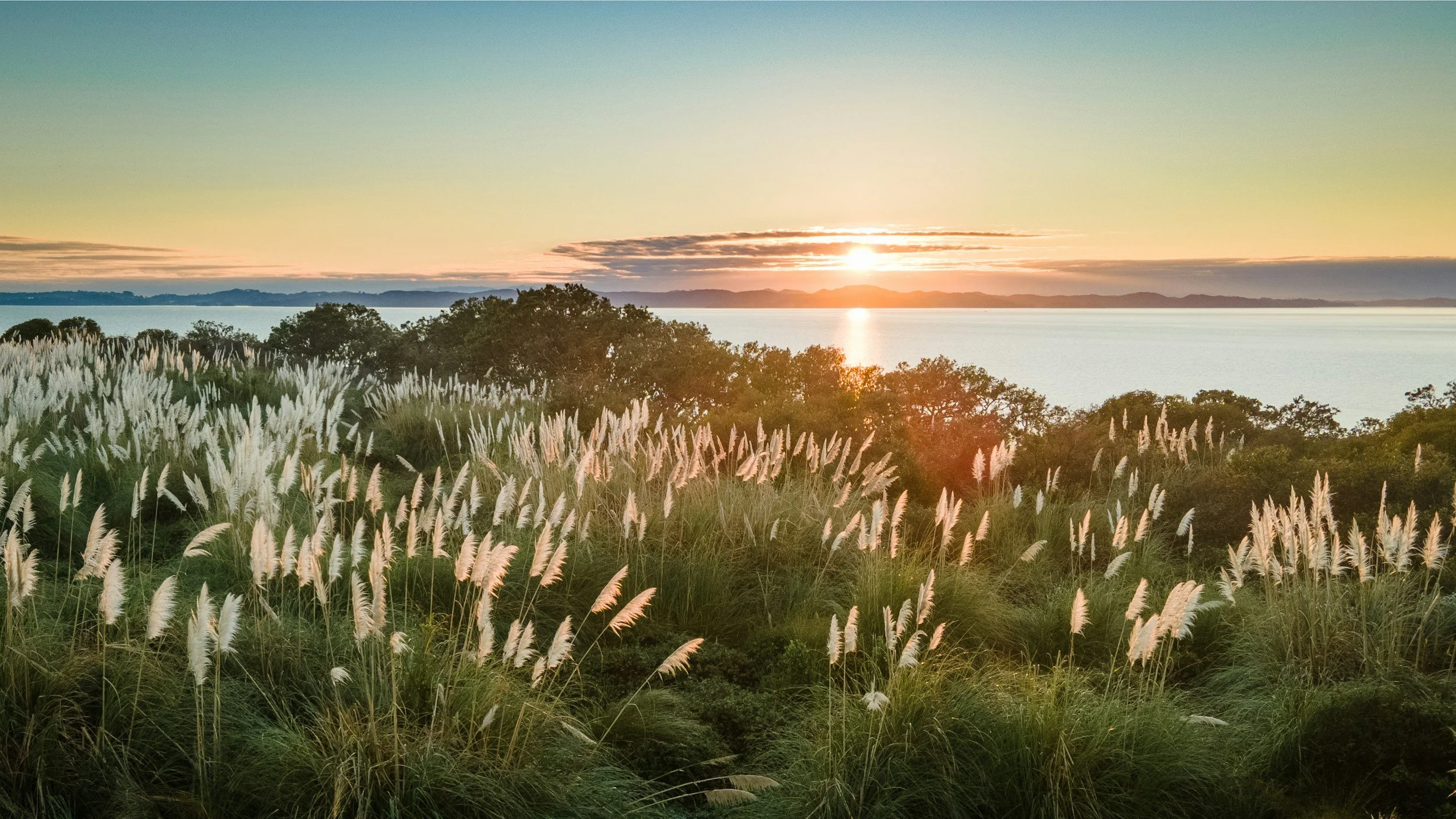
Why Coastal Gardens Need Special Attention
Coastal environments are harsh. Salt spray can burn foliage, wind can desiccate plants faster than you can water them, and sandy soils drain so quickly that nutrients wash away before roots can absorb them. Many popular garden plants simply can’t cope with these conditions, leaving you with brown, crispy leaves and constant replanting.
The key is working with nature, not against it. By choosing plants that naturally grow in coastal areas, you’ll create a garden that not only survives but actually flourishes with minimal intervention.
Top Native Plants for Coastal Gardens
Coprosma Varieties (Looking-Glass Bush)
Coprosma species are absolute champions for coastal conditions. These versatile shrubs come in a stunning range of leaf colours from deep green to bronze, pink, and even variegated forms. They’re naturally compact, making them perfect for windy sites where tall plants would struggle.
Best varieties for coast:
Coprosma repens ‘Marble Queen’ - glossy variegated leaves, excellent wind tolerance
Coprosma ‘Evening Glow’ - stunning pink and bronze foliage
Coprosma acerosa - ground-hugging form perfect for stabilising dunes
These plants handle salt spray brilliantly and can be trimmed into formal hedges or left to grow naturally. They’re also surprisingly drought-tolerant once established, which is crucial in free-draining coastal soils.
Phormium (New Zealand Flax)
Few plants make a bolder statement than flax, and they’re incredibly tough in coastal gardens. From compact varieties like ‘Bronze Baby’ to statuesque ‘Tenax’, there’s a flax for every situation. The architectural leaves create fantastic focal points and provide crucial wind protection for more delicate plants.
The secret to success with coastal flax is choosing the right variety. While phormium tenax handles the toughest conditions, many cultivars bred for colour may struggle with salt spray. Stick with species plants or proven coastal performers like ‘Sundowner’ and ‘Yellow Wave’.
Olearia (Daisy Bush)
If you want flowers in your coastal garden, Olearia species are your best friends. These evergreen shrubs produce masses of white or purple daisy flowers and have naturally waxy or felted leaves that shed salt spray. They’re also fantastic for attracting native insects and birds.
Top performers:
Olearia paniculata - fast-growing, creates excellent shelter
Olearia traversii (Chatham Island Akeake) - dense growth, superb windbreak
Olearia solandri - compact, golden flowers, perfect for smaller gardens
Metrosideros (Pōhutukawa and Rātā)
Nothing says New Zealand coastal Christmas like pōhutukawa in full crimson bloom. While the full-sized tree (Metrosideros excelsa) might be too large for many properties, dwarf cultivars like ‘Scarlet Pimpernel’ offer the same stunning flowers in a compact package.
These plants are incredibly salt-tolerant - after all, they naturally grow right at the high-tide line on northern beaches. Their dense, leathery leaves shed salt spray easily, and their root systems are adapted to poor, sandy soils.
Muehlenbeckia (Pohuehue)
For ground cover in challenging coastal areas, you can’t beat muehlenbeckia complexa. This native scrambler creates a dense mat that suppresses weeds, prevents erosion, and looks fantastic tumbling over retaining walls or banks. It’s virtually indestructible in coastal conditions and actually seems to thrive on neglect.
Designing Your Coastal Garden
The most successful coastal gardens work with a layering principle. Start with tough, salt- tolerant plants on the seaward side to create shelter, then gradually introduce more diverse species as you move inland.
Layer 1: The Windbreak (Closest to Sea)
Plant dense, sturdy natives like Olearia paniculata, Griselinia littoralis, or Coprosma repens in a staggered double row. This creates your first line of defence against salt spray and wind. Space plants 1-1.5m apart and expect them to knit together within 2-3 years.
Layer 2: The Middle Ground (3-5m from Windbreak)
Once your windbreak is established, this sheltered zone can support a wider range of plants. Flax varieties, smaller olearias, and Hebe species all work well here. This layer adds colour and structure to your garden while benefiting from the wind protection.
Layer 3: The Protected Zone (Behind Windbreak)
In the most sheltered areas, you can experiment with less salt-tolerant natives like Pittosporum tenuifolium, Corokia cotoneaster, or even some native grasses like Carex testacea. These plants wouldn’t survive on the frontline but thrive with just a little protection.
Soil Preparation for Sandy Coastal Sites
Coastal soils are typically sandy, acidic, and low in organic matter. They drain so fast that nutrients leach away before plants can use them. The solution is to build up your soil’s water and nutrient-holding capacity before planting.
Start by digging in large amounts of compost - and we mean large. Aim for a 1:1 ratio of compost to existing sand in your planting holes. Add blood and bone or a slow-release native plant fertiliser at planting time. This gives your plants the best possible start.
Mulch heavily after planting, using pea straw, wood chips, or pine bark. This keeps roots cool, conserves moisture, and gradually breaks down to improve soil structure. Coastal winds can blow lighter mulches around, so choose heavier materials or water your mulch in well after application.
The First Summer: Getting Plants Established
Your most critical period is the first summer after planting. Even drought-tolerant coastal natives need regular water while their roots establish. Water deeply twice a week rather than lightly every day - this encourages deep root growth that will help plants survive dry spells later.
Watch for salt burn on new growth, which appears as brown tips or margins on leaves. If you see this, increase your watering frequency. A good downpour of rain will naturally wash salt from foliage, but during dry spells, you might need to hose down plants with fresh water every few weeks.
Long-Term Maintenance
Once established (usually after one full growing season), coastal native gardens are remarkably low-maintenance. Most plants need little to no fertiliser - in fact, over-feeding can cause soft, salt-sensitive growth. A light application of slow-release fertiliser in spring is plenty.
Pruning requirements vary by plant, but most coastal natives respond well to annual shearing in late winter. This keeps growth compact and wind-resistant. Coprosma and Olearia can be trimmed into formal hedges or left more natural - both approaches work well.
The biggest maintenance task is usually weed control in the first few years. Once your natives fill in and create dense ground cover, weeds struggle to establish. This is another reason to plant slightly closer than you might in a sheltered garden - the faster plants fill in, the less weeding you’ll need to do.
Common Mistakes to Avoid
The most common error in coastal gardening is trying to grow inland species that simply can’t handle the conditions. That beautiful exotic specimen that worked perfectly in your previous garden might be completely unsuitable for beachside life. Accept this early and save yourself frustration.
Another mistake is planting too sparsely. In coastal gardens, you need mass and density to create shelter. A few scattered plants will never establish the protected microclimate you need for a thriving garden. Plant generously, especially in your windbreak layer.
Finally, don’t underestimate the importance of soil preparation. Skimping on compost at planting time might save money initially, but it will cost you in plant losses and poor growth. The harsh coastal environment demands you give plants the best possible start
Creating a Thriving Coastal Paradise
Coastal gardens can be absolutely stunning when planted with appropriate species. The silver-grey foliage of many coastal natives creates a beautiful palette that complements the ocean views, and the toughness of these plants means less time maintaining and more time enjoying your beachside haven.
Start with a solid windbreak, prepare your soil well, and choose proven coastal performers. Within a few years, you’ll have a lush, resilient garden that looks at home in its environment and requires surprisingly little maintenance. That’s the beauty of working with New Zealand’s remarkable coastal natives - they’re already perfectly adapted to do exactly what you need them to do.
