

Native Ferns for Shady Corners: The Complete Guide to New Zealand's Most Underrated Garden Plants
Every garden has them—those awkward shady spots where most plants struggle and give up. The north side of the fence that never sees direct sun. The area under established trees where grass refuses to grow. The narrow passage between house and boundary where light barely penetrates. Most gardeners look at these spaces and see problems. Smart gardeners see fern opportunities.
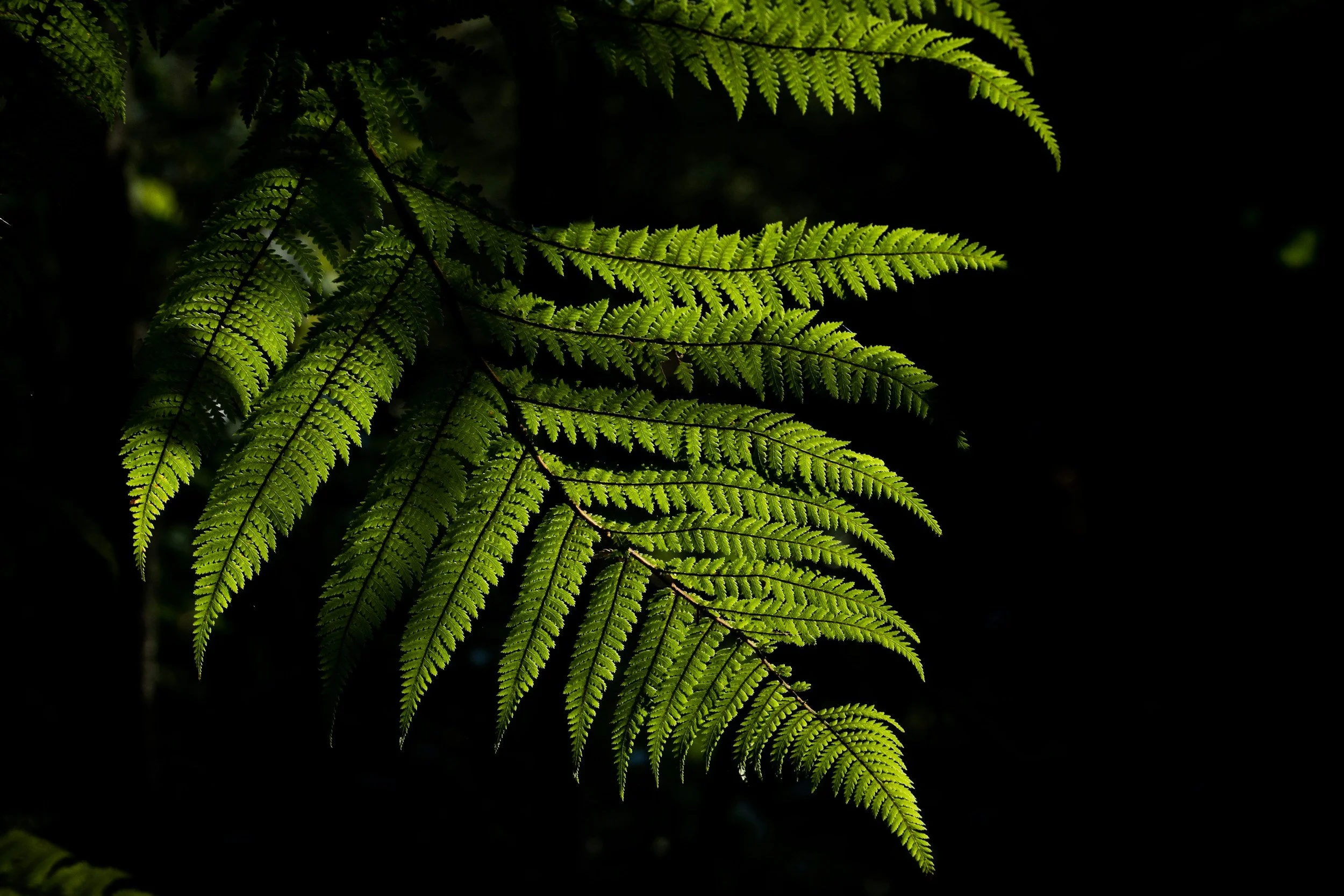
New Zealand native ferns are genuinely extraordinary plants, perfectly evolved to thrive in exactly the conditions that defeat most garden favourites. They're beautiful, they're incredibly low maintenance once established, and they create that lush, verdant atmosphere that makes gardens feel like sanctuaries. Yet they remain criminally underused in home gardens. Let's change that.
Why Native Ferns Deserve Your Attention
Before we get into specific varieties, let's talk about what makes native ferns such brilliant garden plants. First, they solve genuine problems. That shady corner isn't a limitation when you plant ferns—it's ideal growing conditions. You're not fighting your garden's natural conditions; you're working with them.
Second, native ferns are extraordinarily low maintenance. Once established, they need virtually no attention beyond occasional watering during dry spells. No pruning, no deadheading, no fertilising schedule to remember. They simply grow, look beautiful, and get on with life.
Third, they create atmosphere. There's something about ferns that transforms a space. A shady corner planted with ferns instantly feels cooler, calmer, more established. It's the difference between a garden and a refuge.
And finally, they support wildlife. Fern fronds provide shelter for small birds and insects, and the damp, sheltered conditions around fern plantings support a whole ecosystem of beneficial creatures.
Ponga (Cyathea dealbata) - The Silver Fern
Let's start with New Zealand's most iconic fern. Ponga—the silver fern—eventually grows to 10 metres or more, but don't let that put you off. It's slow growing, and for many years it functions as a beautifully manageable feature plant. The silver undersides of the fronds are absolutely stunning, particularly when backlit or when viewed from below.
Growing conditions: Ponga needs shade, particularly when young. Established plants tolerate more light, but direct afternoon sun will burn fronds. It prefers consistently moist (but not waterlogged) soil and shelter from strong winds. In exposed positions, fronds tatter and the plant never looks its best.
Garden uses: Ponga makes an extraordinary focal point in shady areas—perhaps at the end of a path, framed by an archway, or positioned where it can be appreciated from a deck or window. Underplant with smaller ferns and shade-loving groundcovers for a layered, forest-floor effect.
Practical considerations: If you're worried about ultimate size, remember that ponga can be transplanted when young (up to about 1-metre trunk height) if it eventually outgrows its position. Larger specimens shouldn't be moved. For genuinely small gardens, consider one of the smaller tree fern species instead.
Mamaku (Cyathea medullaris) - The Black Tree Fern
If ponga is elegant, mamaku is dramatic. This is New Zealand's largest native fern, with trunks eventually reaching 15-20 metres, but again, growth is slow and young plants are perfectly manageable. The distinguishing feature is the black bases of the frond stalks, which create beautiful contrast against the green fronds.
Growing conditions: Similar to ponga but tolerates slightly more moisture—mamaku is often found naturally in gullies and stream margins. It's excellent for damp, shady areas that might be too wet for other plants. Shelter from wind is important; those magnificent fronds are easily damaged.
Garden uses: Mamaku suits larger gardens where its eventual size won't overwhelm. It's spectacular planted in groups of three or five, creating an instant native bush atmosphere. The height difference as plants mature creates natural layering.
A note on size: For most suburban gardens, mamaku is honestly too large. If you love the look but have limited space, consider smaller species or accept that mamaku will need removal eventually. Better to choose appropriately than plant something you'll regret.
Whekī (Dicksonia squarrosa) - The Rough Tree Fern
Now we're talking about more manageable sizes. Whekī grows to about 6 metres maximum—still substantial, but appropriate for many garden situations. The trunk has a distinctive rough, fibrous texture that's quite different from ponga or mamaku, and the fronds are darker green with a more compact appearance.
Growing conditions: Whekī is notably tougher than the Cyathea tree ferns. It tolerates more sun, copes better with occasional dry periods, and handles exposed conditions reasonably well. This makes it far more adaptable for suburban gardens where ideal conditions don't exist.
Garden uses: Whekī works brilliantly as a specimen plant in medium-sized gardens, as part of native plantings where something taller is needed, or in challenging positions where more delicate ferns would struggle. It's particularly good for creating privacy screening in shady boundaries.
Practical tip: Whekī produces multiple trunks from the base over time, eventually forming clumps. If you want a single-trunked specimen, remove additional trunks as they appear. If you're happy with the clumping habit, let it develop naturally for a more substantial presence.
Kiokio (Blechnum novae-zelandiae) - The Palm-Leaf Fern
Moving from tree ferns to ground ferns, kiokio is one of New Zealand's most useful garden plants. It grows to about 1 metre tall with a spreading habit, producing fronds that fan out in a distinctive palm-like arrangement. The new fronds emerge copper-red before maturing to green—a lovely feature.
Growing conditions: Kiokio handles more sun than many ferns, though it still prefers some shade. It tolerates a wider range of soil conditions than most natives, including heavier clay soils that would stress other ferns. Once established, it's remarkably drought tolerant for a fern.
Garden uses: This is your workhorse fern. Use it as groundcover under trees, plant it in masses for textural effect, or use it to fill those difficult shady borders. It combines beautifully with other natives—try it with native groundcovers and small shrubs for a layered, naturalistic planting.
Spreading habit: Kiokio spreads by underground rhizomes, eventually forming substantial colonies. This is a
feature, not a problem—it means a few plants will eventually cover large areas. If you need to contain it, simply trim back the edges annually.
Hen and Chicken Fern (Asplenium bulbiferum)
Possibly New Zealand's most charming fern, this species produces tiny plantlets on its fronds—the "chickens" that give it its common name. It's a medium-sized fern growing to about 50cm-1m, with delicate, finely divided fronds that create soft, feathery texture.
Growing conditions: Classic shade-lover. Hen and chicken fern needs protection from direct sun and prefers consistently moist soil. It's frost tender in exposed positions, so provide shelter from cold winds. In very cold regions, it may need a protected microclimate.
Garden uses: Perfect for sheltered, shady spots where its delicate texture can be appreciated. Plant near paths where you'll notice the baby plantlets, or in containers on shaded patios. It combines beautifully with other ferns and shade-lovers.
Propagation bonus: Those baby plantlets can be detached and planted separately once they've developed small root systems. This makes hen and chicken fern one of the easiest plants to propagate—share the babies with friends and family.
Pukupuku/Crown Fern (Blechnum discolor)
One of New Zealand's most attractive ferns, crown fern forms rosettes of glossy, leathery fronds that are darker green on top and distinctly pale underneath. Separate fertile fronds stand upright in the centre—the "crown" that gives it its common name. Grows to about 50cm-1m.
Growing conditions: Crown fern tolerates more exposed conditions than many ferns, handling light frosts and some sun. It prefers well-drained soil—it's not a fern for wet, boggy areas. Once established, it's reasonably drought tolerant.
Garden uses: Excellent for mass planting on shaded banks or under trees. The glossy texture catches light beautifully, adding dimension to shady plantings. Use as a formal edging in native gardens or naturalise in wilder areas.
Visual interest: The contrast between vegetative fronds and fertile fronds adds interest—the fertile fronds are narrower and more upright, creating a two-tone effect in the centre of each plant.
Designing with Ferns: Practical Advice
Layering for depth: The most effective fern plantings use multiple species at different heights. Plant tree ferns at the back, medium ferns in the middle, and groundcover ferns or other shade-lovers at the front. This creates the layered canopy effect of natural bush.
Combining textures: Different ferns have remarkably different textures—from the delicate, feathery fronds of hen and chicken fern to the bold, leathery leaves of crown fern. Combine contrasting textures for visual interest.
Underplanting tree ferns: Tree ferns leave bare trunk and ground beneath them. Underplant with groundcovers like native violet, Selliera radicans, or small Libertia for a complete, layered effect. This also helps retain soil moisture around tree fern roots.
Ferns and hardscaping: Ferns look extraordinary against stone, concrete, or weathered timber. Plant them alongside paths, around water features, or against retaining walls. The contrast between soft foliage and hard materials creates beautiful tension.
Establishment and Care
Planting: Plant ferns in autumn or spring when soil is moist and temperatures are moderate. Add plenty of compost to the planting hole—ferns love humus-rich soil. Plant at the same depth as the pot (never deeper) and water in well.
First year care: Water regularly through the first year, keeping soil consistently moist but not waterlogged. Mulch around plants to retain moisture. Provide temporary shade cloth if necessary during hot spells.
Ongoing maintenance: Established ferns need almost no care. Remove dead fronds occasionally if they bother you (many gardeners leave them as mulch). Water during extended dry spells, particularly in the first few years.
Feeding: Ferns don't need much feeding. A light application of general slow-release fertiliser in spring is plenty. Over-feeding produces soft, lush growth that's more susceptible to damage.
Common Mistakes to Avoid
Too much sun: The most common fern-killing mistake. Even "sun-tolerant" ferns perform better with some shade. Start with shadier positions than you think necessary—you can always move plants to brighter spots if they're thriving.
Poor drainage for tree ferns: While ferns love moisture, waterlogged soil rots roots. If your soil is heavy clay, improve drainage before planting or plant in raised beds.
Ignoring wind: Wind damages fern fronds badly. If your shady corner is also a wind tunnel, choose tougher species like whekī or kiokio rather than delicate varieties.
Impatience: Ferns are slow to establish. A sad-looking fern in year one often becomes magnificent by year three. Don't give up too quickly.
Your Shady Corner Transformation
Those difficult shady spots in your garden aren't problems—they're opportunities for some of New Zealand's most beautiful plants. Start with species appropriate for your conditions, plant properly, water through establishment, then step back and let nature do its work.
Within a few years, that awkward corner will be transformed into something genuinely special—a cool, green refuge that feels established and permanent. Native ferns are remarkable plants, perfectly evolved for exactly the conditions your garden offers. Time to put them to work.
