

Native Plant Combinations That Actually Work: Companion Planting for New Zealand Gardens
Here's a common scenario: you've bought some beautiful native plants, brought them home, and now you're standing in your garden wondering how on earth to arrange them. Should the coprosma go next to the hebe? Will that flax overwhelm everything around it? Is there any logic to this, or do you just plant things and hope for the best?
Good news—there absolutely is logic to companion planting with natives. Some combinations work brilliantly together, enhancing each other visually while meeting similar growing requirements. Others clash horribly or outcompete each other for resources. Understanding what works (and why) transforms random planting into intentional design.
The Principles Behind Great Combinations
Before we get to specific plant partnerships, let's understand what makes combinations work.
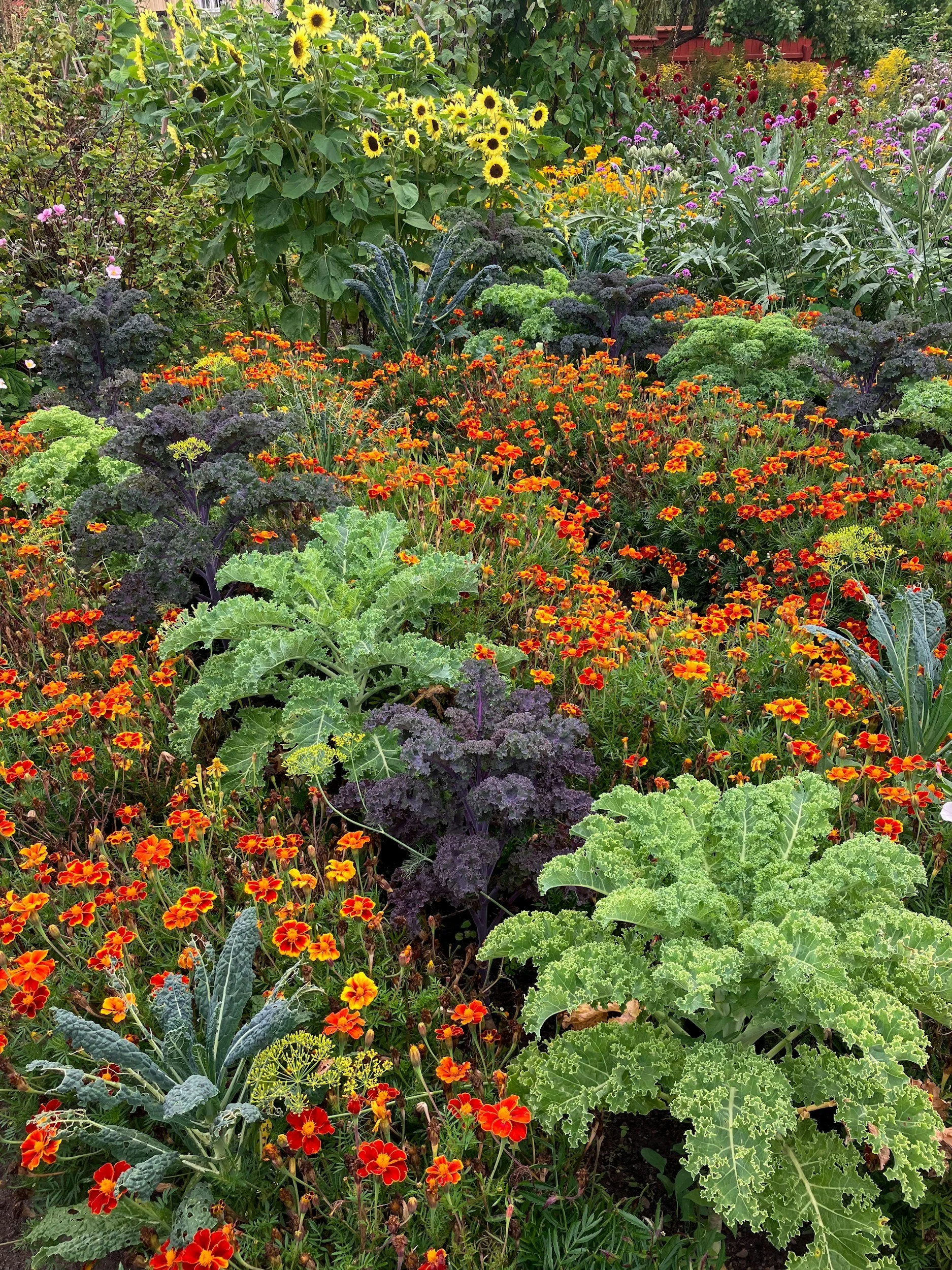
Contrast creates interest. Plants with similar foliage textures and forms blend into each other. You want contrast—fine leaves next to bold ones, rounded forms against spiky architectural shapes, dark foliage highlighting light. The eye needs differences to appreciate each plant's qualities.
Colour relationships matter. Some colour combinations sing; others clash uncomfortably. Complementary colours (opposite on the colour wheel) create vibrant contrast—purple hebe flowers against golden coprosma foliage, for example. Analogous colours (neighbours on the wheel) create harmonious flow—bronze, orange, and red coprosmas blending together.
Scale and proportion need balance. A 2-metre flax will overwhelm a 30cm groundcover if they're planted side by side. But step back, add intermediate heights, and suddenly both plants make sense within a layered composition. Think about how plants relate in height and spread.
Cultural needs must align. The most beautiful combination means nothing if one plant needs full sun and the other requires shade, or if one wants boggy soil while its companion demands sharp drainage. Plants that thrive together share growing requirements.
The Sun-Loving Dream Team
This combination works in full sun positions with reasonable drainage—covering probably 70% of New Zealand garden situations.
Backbone: Pittosporum 'Tom Thumb' This compact shrub (1m x 1m) provides year-round structure with deep purple foliage. It's the anchor—something substantial that gives the combination presence regardless of season.
Contrast: Astelia chathamica 'Silver Spear' Plant one astelia near (but not crowding) the pittosporum. The silver-grey, sword-shaped leaves create dramatic textural contrast against the pittosporum's small, dark leaves.
Similar height, completely different character.
Colour pop: Coprosma 'Tequila Sunrise' Add a coprosma for colour. 'Tequila Sunrise' produces foliage in shades of orange, lime, and pink—colours that absolutely sing against the dark pittosporum and silver astelia. Position it where it catches light; those colours intensify in sun.
Ground layer: Libertia peregrinans Fill the base with this spreading native iris. The orange-bronze foliage picks up the coprosma's warm tones while the strappy leaves add another textural element. White flowers in spring are a bonus.
Why it works: You've got dark, light, and colourful foliage; sword shapes, rounded forms, and fine textures; and everything shares the same growing requirements. The combination looks intentional rather than random.
The Shady Sanctuary
For those tricky spots under trees or on the south side of buildings, this combination creates lush, layered greenery.
Backbone: Pseudopanax lessonii (houpara) The glossy, palmate leaves create bold presence in shade. This understory tree grows 3-4 metres but can be kept smaller with occasional pruning. Its architectural form becomes the structural centre of the planting.
Mid-layer: Blechnum novae-zelandiae (kiokio) This gorgeous fern spreads to form colonies beneath the houpara, its palm-like fronds creating textural contrast with the pseudopanax above. The copper-red new growth adds seasonal colour.
Accent: Astelia grandis 'Green Goddess' Add one or two large astelias for dramatic effect. Unlike silverleaved varieties, 'Green Goddess' stays green—perfect for shade where silver tends to look washed out. Those long, arching leaves break up the horizontal planes.
Ground layer: Pratia angulata Let this creeping groundcover weave between larger plants, softening edges and covering bare soil. Tiny white flowers stud the green mat in summer. It handles the foot traffic of garden maintenance without complaint.
Why it works: All these plants genuinely prefer shade. The combination creates that layered, forest-floor atmosphere that makes shady gardens feel lush rather than gloomy. Different textures and forms provide interest without needing flowers or bright colours.
The Coastal Combination
For exposed positions near the sea, this partnership handles salt and wind while looking purposeful.
Structure: Phormium 'Platt's Black' Dark burgundy-black flax blades create architectural drama against ocean and sky. Choose a position where the form shows clearly—perhaps against the horizon or backed by lighter foliage.
Contrast: Coprosma repens 'Taupata Gold' The bright lime-green leaves of this coastal native absolutely pop against dark flax. Taupata's glossy, rounded foliage contrasts beautifully with the flax's upright swords. Both handle full coastal exposure without complaint.
Softening: Olearia 'Dartonii' Add olearia's silvery foliage as a buffer between the bold statement plants. The texture softens the composition; white summer flowers add seasonal interest. Its coastal tolerance is exceptional.
Ground layer: Disphyma australe (native ice plant) This succulent groundcover handles salt spray that would destroy most plants. Pink flowers in summer complement the composition, while fleshy foliage adds yet another texture.
Why it works: Every plant genuinely thrives in coastal conditions—no babying required. The colour scheme (dark, lime, silver, pink) feels cohesive while providing contrast. Forms range from architectural to soft, creating visual interest.
The Contemporary Combination
For modern architectural gardens where clean lines and bold forms matter.
Focal point: Cordyline australis 'Red Star' The burgundy cabbage tree makes a statement. Its fountain-like form and dark colouring suit contemporary design perfectly. Position as a deliberate focal point—this isn't a background plant.
Mass planting: Hebe 'Red Edge' Surround the cordyline with a mass of 'Red Edge' hebe (at least five plants, more is better). The compact form, blue-grey foliage, and red-edged leaves create textural uniformity that emphasises the cordyline's drama.
Linear accent: Libertia ixioides 'Taupo Blaze' Add a drift of this orange-leaved libertia cutting through the hebe mass. The linear foliage and warm colour provide contrast without competing with the cordyline. Plant in odd-numbered groups along a diagonal.
Ground treatment: Crushed stone or fine gravel Let the ground between plants remain visible—covered in stone or gravel rather than more plants. This negative space is essential to contemporary design; it emphasises the plants you've chosen rather than overwhelming with abundance.
Why it works: The restrained plant palette and visible ground plane read as intentional design rather than collected plants. Every element earns its place; nothing is random.
The Wildlife Garden Combination
For gardeners who want to support native birds and insects while still maintaining design appeal.
Backbone: Coprosma robusta (karamu) Not the most ornamental native, but the bright orange berries are kereru magnets. Plant one substantial karamu and you'll have visiting pigeons guaranteed. The dense growth also provides nesting sites.
Flowering: Hebe stricta Native hebes attract bees and other pollinators with their flowers. 'Stricta' is particularly good—long white flower spikes that bees adore. Position where you can watch the insect activity.
Nectar source: Phormium tenax Flax flowers attract tui like nothing else. The nectar-rich blooms on tall stalks bring singing tui to your garden in summer. Choose a straight species or robust cultivar rather than compact ornamental varieties—flower production matters here.
Ground layer: Native violet (Viola cunninghamii) These small natives are host plants for native butterfly caterpillars. A patch of native violets in dappled shade supports butterfly reproduction, not just adult feeding.
Why it works: Every plant serves wildlife while maintaining garden appeal. You're creating habitat, not just decoration—and the birds and butterflies visiting will reward your choice.
Combinations to Avoid
Not all native combinations work. Watch out for these problems:
Overwhelming size differences: Don't plant a full-sized flax (2-3m) directly next to compact groundcovers with nothing in between. The scale jump is jarring. Add intermediate heights to create transitions.
Similar textures without contrast: A group of plants with similar leaf shapes and sizes (several different hebes, for example) can look like a formless mass. Add something contrasting—spiky flax, bold pseudopanax, fine-textured grasses—to provide visual breaks.
Incompatible needs: Coastal species planted with forest understorey plants, or wetland species with droughttolerant varieties, means one set will always struggle. Group plants by cultural requirements.
Fighting colours: Some colour combinations just clash. Bright orange coprosma next to pink hebe flowers, for example, can look uncomfortable. Consider foliage and flower colours together when planning.
Building Your Own Combinations
The combinations above are starting points, not rigid prescriptions. Use them as inspiration, then adapt based on your conditions and preferences.
Start with structure—what provides the backbone of your planting? Then add contrast—what's different enough to create interest? Layer heights from back to front. Fill gaps with groundcovers. Step back frequently to assess how plants relate.
And remember: plants grow. That perfect combination you plant today will evolve. Leave room for growth, be prepared to edit if plants start overwhelming neighbours, and enjoy watching your intentional design mature into something even better than you imagined.
The best native gardens don't look like collections of plants—they look like plant communities, where everything belongs together. That's what thoughtful companion planting creates.
