

5 Native Shrubs That Will Transform Your Garden in 12 Months
If you're looking to create a stunning New Zealand garden that actually thrives rather than just survives, native shrubs are your secret weapon. Unlike exotic plants that struggle with our unique climate and soil conditions, indigenous shrubs have evolved here over thousands of years. They know exactly what to do with our clay soils, summer droughts, and winter downpours.
The best part? You don't need to wait decades to see results. The five native shrubs we're covering today will give you a completely transformed garden within just 12 months. We're talking about plants that grow quickly, look gorgeous, and support our local wildlife—all whilst being incredibly low maintenance once established.
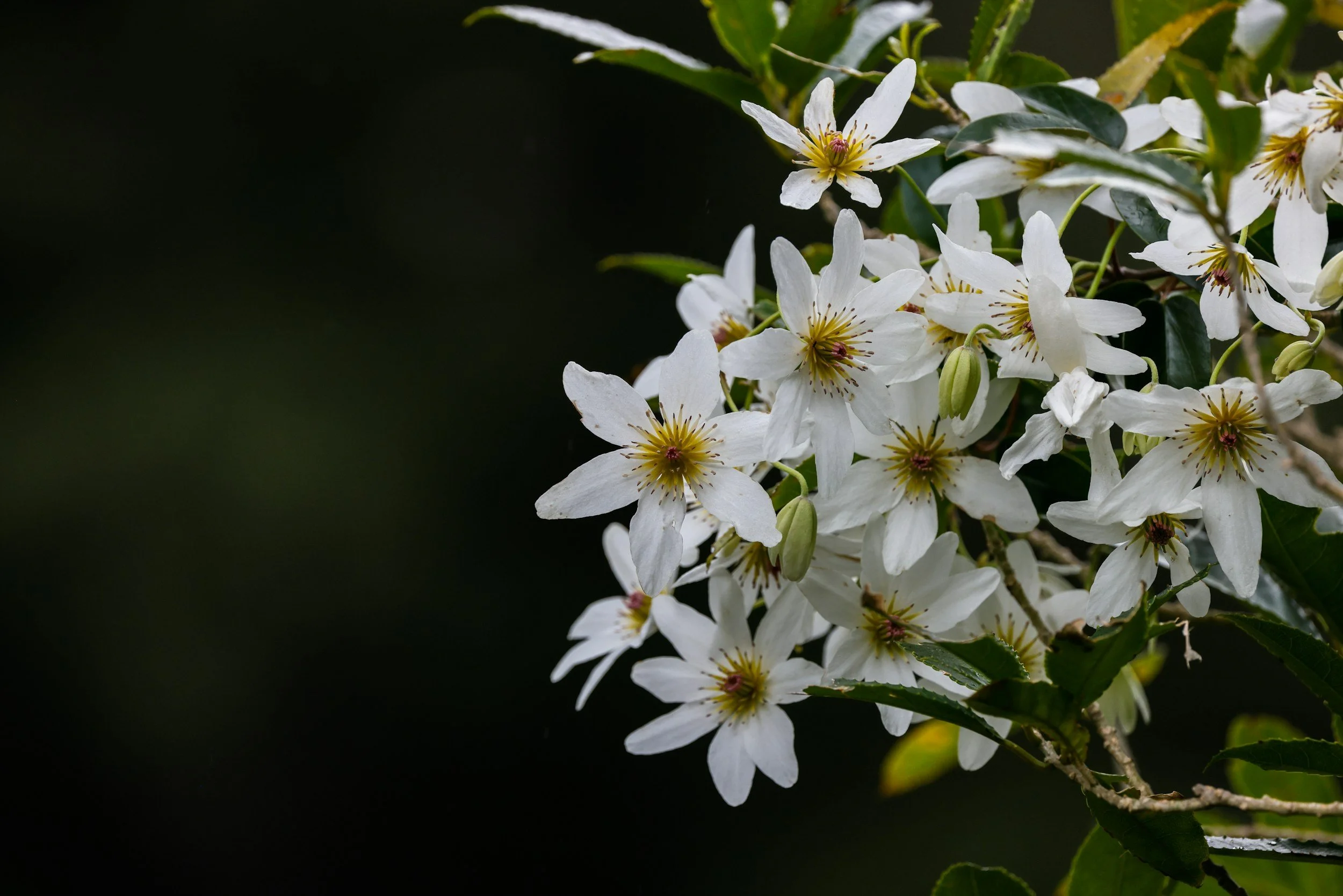
Why Native Shrubs Are Garden Game-Changers
Before we dive into our top five picks, let's talk about why native shrubs should be the backbone of your New Zealand garden. First, they're perfectly adapted to our conditions. Whilst you're struggling to keep that European lavender alive through a Wellington winter, native shrubs are quietly getting on with the job of growing beautifully without any fuss.
Native shrubs also create habitat for our birds, insects, and other wildlife. When you plant a coprosma or a hebe, you're not just adding a pretty plant to your garden—you're creating a mini ecosystem that supports tūī, fantails, and native bees. It's gardening that actually gives back to the environment.
From a practical standpoint, native shrubs are simply easier to grow successfully. They need less water once established, they're generally pest-resistant, and they don't need special soil amendments or fertilisers. This makes them perfect for busy gardeners or anyone wanting a beautiful garden without the constant maintenance.
1. Coprosma 'Pacific Sunset' - The Show-Stopper
If you want instant wow factor, Coprosma 'Pacific Sunset' is your plant. This gorgeous shrub produces foliage in shades of orange, red, and yellow that look like they're permanently backlit by autumn sunshine. Within 12 months, you'll have a 1.5-metre tall focal point that stops visitors in their tracks.
What makes Pacific Sunset particularly brilliant is that it maintains its vibrant colours year-round. Whilst deciduous plants look bare in winter, this beauty keeps delivering visual impact through every season. The colours actually intensify in cooler weather, giving you the most spectacular display just when other plants are looking their most drab.
Growing conditions: This coprosma thrives in full sun to partial shade and tolerates most soil types, including clay. It's drought tolerant once established but will grow faster with regular watering in its first year. Plant it where you want a statement piece—perhaps as a backdrop to a seating area or as a corner feature.
Quick establishment tips: Plant in spring for fastest establishment, and give it a monthly feed with liquid fertiliser for the first growing season. Mulch around the base to retain moisture and suppress weeds. By the end of 12 months, you'll have a substantial shrub that looks like it's been there for years.
2. Hebe 'Wiri Mist' - The Reliable Performer
Hebe 'Wiri Mist' is the plant equivalent of that reliable friend who's always there when you need them. This compact shrub produces clouds of white flowers from summer through to autumn, creating a soft, romantic feel in any garden setting. At 1 metre tall and wide at maturity, it's perfectly sized for most garden situations.
The beauty of 'Wiri Mist' lies in its consistency. Whilst some plants have their moment of glory then fade into the background, this hebe keeps performing month after month. The small, neat foliage provides structure year-round, whilst the abundant flowers attract beneficial insects and add delicate beauty.
Why it works so well: This cultivar was specifically bred for garden performance, combining the best traits of wild hebes with improved flower power and disease resistance. It's incredibly hardy, tolerating coastal conditions, frost, and drought once established.
Positioning for success: Plant 'Wiri Mist' in groups of three or five for maximum impact, or use it as a low hedge along pathways. It works beautifully in cottage garden schemes but is equally at home in contemporary landscapes. The key is giving it enough space to develop its natural rounded form.
3. Pittosporum 'Tom Thumb' - The Space-Saver
For smaller gardens or anyone wanting instant structure, Pittosporum 'Tom Thumb' is absolutely perfect. This compact beauty grows to just 1 metre tall and wide, making it ideal for containers, small borders, or as a feature plant in courtyard gardens. The deep purple foliage provides year-round colour and creates a sophisticated backdrop for other plants.
What makes 'Tom Thumb' particularly valuable is its versatility. It can be left to grow naturally into a rounded mound, or it can be lightly pruned to maintain a more formal shape. The small, glossy leaves catch the light beautifully, and the plant's compact nature means it never outgrows its space.
Design possibilities: Use 'Tom Thumb' to create structure in mixed borders, as a backdrop for lighter-coloured plants, or in groups to form low hedging. It pairs beautifully with silver foliage plants and cream flowers, creating elegant colour combinations that work in both traditional and modern garden styles.
Growing success: This pittosporum is remarkably adaptable, growing well in sun or part shade and tolerating most soil conditions. Water regularly in its first year to encourage strong root development, then it becomes quite drought tolerant. A light trim after flowering keeps it looking neat and encourages dense growth.
4. Olearia 'Dartonii' - The Coastal Champion
If you're dealing with challenging coastal conditions—salt spray, wind, or sandy soil—Olearia 'Dartonii' is your hero plant. This tough native produces masses of white daisy flowers in summer, creating a cloud-like effect that's both beautiful and wildlife-friendly. It grows quickly to 2 metres tall, providing excellent screening or backdrop planting.
The silvery-grey foliage of 'Dartonii' is almost as attractive as the flowers, providing year-round interest and a perfect foil for plants with darker green leaves. The tough, leathery leaves are specifically adapted to coastal conditions, reflecting harsh sunlight and resisting salt damage.
Beyond coastal gardens: Whilst this olearia excels in coastal situations, it's equally valuable in inland gardens. The silver foliage and white flowers create a Mediterranean feel that works beautifully in gravel gardens or drought-tolerant plantings. It's particularly effective when planted in groups, creating drifts of silver and white.
Establishment and care: Plant in full sun for best flowering and most compact growth. In rich soils, 'Dartonii' can become a bit leggy, so a light trim after flowering helps maintain shape. Once established, it's incredibly low maintenance and can handle extended dry periods without stress.
5. Pseudopanax 'Cyril Watson' - The Architectural Star
For anyone wanting to add architectural interest to their garden, Pseudopanax 'Cyril Watson' is absolutely stunning. This unique native produces long, narrow leaves with cream variegation that creates a fountain-like effect. At 2-3 metres tall, it becomes a real statement plant whilst still being manageable in most garden situations.
What makes 'Cyril Watson' so special is its foliage texture and form. The long, serrated leaves create dramatic shadows and movement, adding a tropical feel to New Zealand gardens. The cream variegation brightens shady areas and provides year-round interest even when the plant isn't flowering.
Design impact: Use this pseudopanax as a specimen plant in a prominent position, or plant it to create vertical interest in mixed borders. It works particularly well near water features or in contemporary garden designs where its architectural form can be fully appreciated. The light-coloured variegation makes it excellent for brightening darker corners.
Growing requirements: This variety prefers partial shade to full sun and benefits from shelter from strong winds when young. It's quite drought tolerant once established but grows more quickly with regular watering. The dramatic foliage can burn in very hot, exposed positions, so some afternoon shade is beneficial in hotter regions.
Creating Your 12-Month Transformation
The magic of these five natives lies not just in their individual beauty, but in how quickly they establish and start performing. Here's your timeline for transformation:
Months 1-3: Focus on proper planting and establishment. Plant in autumn or spring for best results, prepare the soil well, and maintain consistent moisture whilst the roots establish.
Months 4-6: You'll start seeing significant new growth. This is when coprosma colours really intensify, hebes begin their flowering season, and the architectural plants start developing their distinctive forms.
Months 7-12: Full transformation becomes apparent. Your shrubs will have developed substantial presence in the garden, with mature flowers, established foliage, and the beginnings of the wildlife habitat they'll eventually support.
Maintenance for Long-Term Success
One of the best things about these native shrubs is how little ongoing maintenance they require. A light annual trim after flowering keeps them tidy, and a mulch refresh each spring helps retain moisture and suppress weeds. Most will benefit from occasional watering during very dry spells in their second year, but after that, they're largely self-sufficient.
Remember, the goal isn't just a beautiful garden for the next year—it's creating a sustainable landscape that gets better with age. These native shrubs will continue growing in beauty and ecological value for decades to come, whilst requiring less and less input from you.
Your garden transformation starts with choosing the right plants for your conditions and planting them properly. With these five native shrubs, you're well on your way to a stunning New Zealand garden that works with nature rather than against it.
