

How to Grow Wallflowers: Winter's Unsung Flowering Heroes for Year-Round Garden Colour
When most gardeners think about winter blooms and winter flowering plants, they typically picture hardy stalwarts like hellebores or the cheerful faces of pansies. But lurking in the shadows of garden centre displays, often overlooked and underappreciated, stands one of winter's most reliable performers: the humble wallflower. These fragrant winter flowers deserve a starring role in every winter garden, yet they remain underused by gardeners who don't realise what they're missing.
Let me paint you a picture of why wallflowers should be your go-to winter flowering plant. It's January, the garden feels barren, and you're staring out at what looks like a brown wasteland punctuated by skeletal tree branches. Then you catch a whiff of something extraordinary – a sweet, spicy fragrance that stops you in your tracks. You follow your nose and discover a cluster of wallflowers blooming their hearts out, completely unfazed by the frost that has knocked back almost everything else. That's when you realise you've been sleeping on one of gardening's best-kept secrets for winter garden colour.
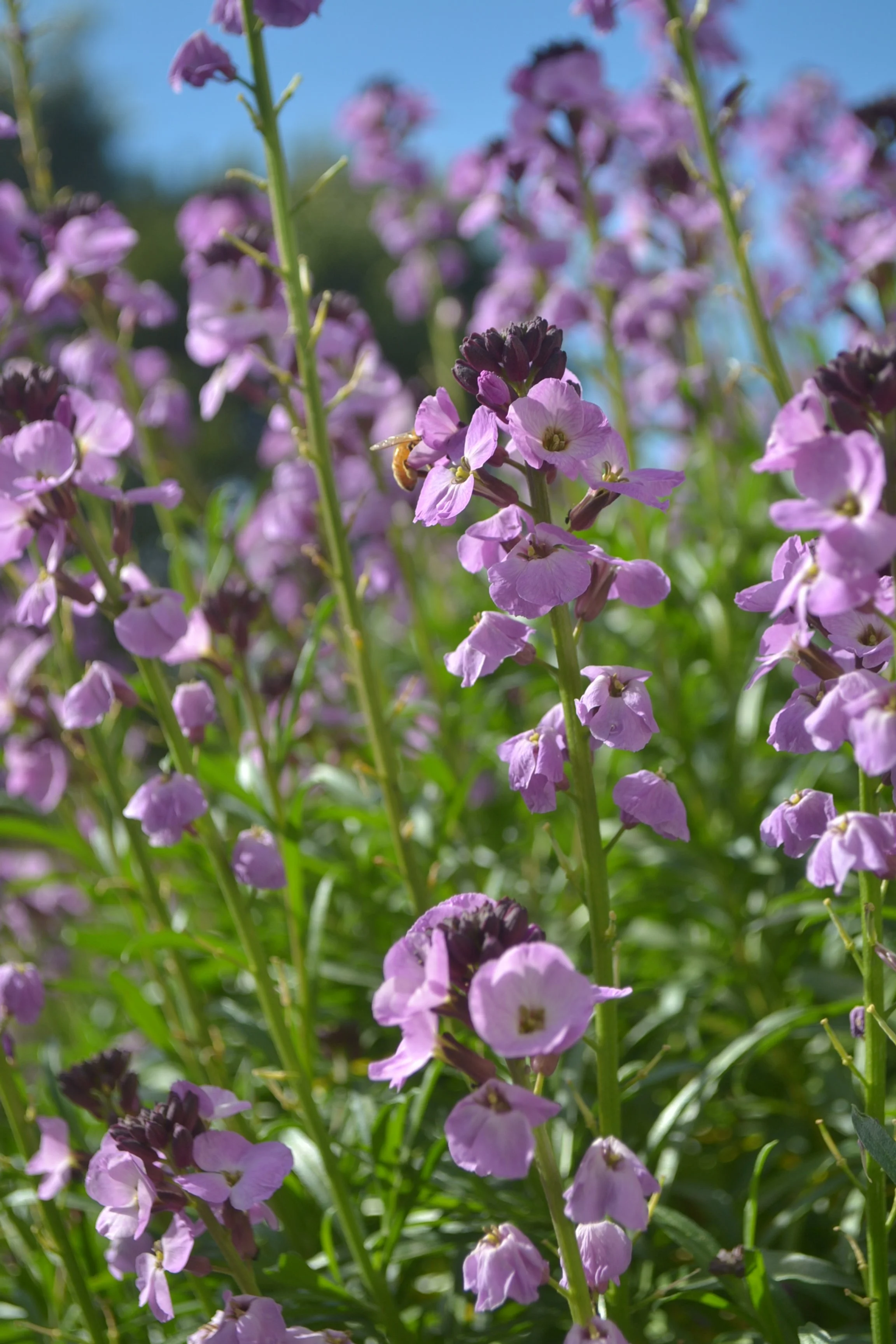
Bees are loving the winter-flowering Lilac Joy in my garden. Copyright Sara Meij-Kilpatrick
Why Wallflowers Are the Best Winter Flowering Plants
Wallflowers (Erysimum) aren't called the "queen of spring fragrance" for nothing, though they often start their show much earlier as exceptional winter blooming flowers. These Mediterranean natives have adapted beautifully to cooler climates, developing an almost supernatural ability to bloom through winter's worst tantrums. Whilst other plants are hunkering down for their seasonal nap, wallflowers are busy producing flowers that range from subtle pastels to vibrant oranges and deep purples.
What sets wallflowers apart as winter garden plants isn't just their timing – it's their incredible resilience. They laugh in the face of frost, shrug off snow, and actually seem to perform better when the weather gets tough. This isn't some delicate hothouse flower that needs coddling. These plants have backbone, and they're not afraid to show it.
The fragrance alone should earn wallflowers a permanent spot in every winter garden. On a mild winter day, you can smell them from across the garden – a complex perfume that combines honey sweetness with subtle spice notes. It's the kind of scent that makes you slow down and breathe deeply, a sensory reminder that even in winter's grip, life persists and beauty endures.
Best Wallflower Varieties: Meet the Stars of Winter Flowering
Among the many wallflower varieties available for winter flowering gardens, "Lilac Joy" stands out as a particular favourite. This stunning variety produces masses of soft lilac flowers that seem to glow against winter's muted backdrop. The colour is sophisticated without being overwhelming – think lavender fields at dusk rather than neon purple. Lilac Joy typically starts blooming in late autumn and keeps going well into spring, providing months of colour when you need it most.
But Lilac Joy isn't the only wallflower variety worth knowing for your winter garden. "Bowles's Mauve" is an absolute classic that's been winning hearts for decades with its persistent purple blooms and almost shrub-like presence. "Fire King" brings warmth to winter gardens with its bright orange flowers that seem to contain actual sunshine. For something more subtle, "Ivory White" offers creamy blooms that practically glow in winter light, whilst "Blood Red" provides dramatic burgundy flowers that complement almost any colour scheme.
The perennial wallflowers, like the popular Erysimum 'Bowles's Mauve', act almost like flowering shrubs, creating permanent structure in the garden whilst providing colour for most of the year. The biennial types, typically grown as annuals, offer incredible variety in colour and can be treated as seasonal displays that you refresh each year.
How to Grow Wallflowers: Expert Growing Tips
Here's where wallflowers really shine as easy winter flowers – they're remarkably straightforward to grow once you understand their preferences. These plants crave good drainage above all else. They've evolved in rocky, Mediterranean hillsides where water drains quickly, and they'll sulk (or worse, rot) if you plant them in heavy, waterlogged soil.
The secret to wallflower growing success lies in thinking like a Mediterranean plant. Choose a sunny spot with soil that drains well – if water pools after rain, either improve the drainage or pick a different location. A raised bed or rockery provides ideal conditions, but any well-drained border will work. Sandy soils are perfect, but if you're stuck with clay, work in plenty of grit and organic matter to open up the structure.
In Auckland's humid conditions, excellent air circulation around plants prevents fungal issues. Canterbury gardeners will find wallflowers thrive in the naturally free-draining gravelly soils with minimal care. West Coast growers need to focus obsessively on drainage – raised beds are almost essential where winter rainfall is heavy. Otago's bitter frosts are no problem for established plants, though a sheltered spot helps young plantings get established. Wellington's notorious winds can be managed by choosing a position with some shelter from buildings or established shrubs.
When to Plant Wallflowers for Best Winter Display
Planting time matters with wallflowers for winter flowering success. For the best winter display, plant wallflowers in early autumn. This gives them time to establish before winter arrives, ensuring they'll have the root system needed to support abundant blooms through the cold months. In milder areas, you can even plant in late autumn and still get good results.
Once established, wallflowers are remarkably low-maintenance winter plants. They don't need rich soil – in fact, they often perform better in relatively poor conditions. Too much fertility encourages leafy growth at the expense of flowers. A light dressing of balanced fertiliser in early spring is usually plenty.
Garden Design Ideas with Wallflowers
Wallflowers offer incredible versatility in winter garden design. Their upright growth habit makes them perfect for adding height and structure to front-of-border plantings, whilst their long flowering period provides consistent colour that anchors seasonal displays.
Try combining Lilac Joy with the architectural shapes of bergenia and the silver foliage of artemisia for a sophisticated winter container display. The soft purple flowers play beautifully against silver-grey foliage, creating combinations that look intentional rather than accidental.
In border plantings, wallflowers work brilliantly as a backdrop for spring bulbs. Plant drifts of wallflowers between emerging tulips and daffodils – as the bulb foliage dies back, the wallflowers continue providing colour and structure. The timing works perfectly, with wallflowers often at their peak just as spring bulbs are finishing their show.
For cutting gardens, wallflowers are absolutely invaluable as winter cut flowers. Their sturdy stems and long-lasting flowers make them perfect for winter arrangements, and that incredible fragrance fills rooms with natural perfume. A few stems of wallflowers can transform a simple arrangement into something special.
Wallflowers for Wildlife: Supporting Garden Biodiversity
Beyond their obvious ornamental value, wallflowers are absolute champions for garden biodiversity when the natural world needs them most. Whilst most plants have given up for the season, wallflowers are out there working overtime, supporting a complex web of wildlife that depends on their winter generosity.
Let's talk about bees first, because the relationship between wallflowers and our pollinating friends is nothing short of remarkable. Honeybees and bumblebees don't simply shut down for winter – they need occasional warm days to venture out for emergency supplies. When temperatures creep above 10°C on sunny winter days, you'll find bees visiting wallflower blooms with desperate enthusiasm. These flowers provide crucial protein-rich pollen and energy-giving nectar that can mean the difference between colony survival and collapse.
But it's not just the big-name pollinators that benefit from winter flowering wallflowers. Wallflowers support an incredible diversity of smaller beneficial insects that often go unnoticed. Hover flies, which are fantastic aphid predators in your garden, rely heavily on wallflower nectar during their extended flying season. Small solitary bees, including mason bees, use wallflowers as reliable pit stops during their foraging flights. Even tiny parasitic wasps – the unsung heroes that control garden pests naturally – depend on wallflower nectar to fuel their pest-control activities.
Here's something most gardeners don't realise about winter flowering plants: wallflowers are particularly valuable because they bridge the "hungry gap" in the pollinator calendar. There's a critical period in late winter and early spring when natural food sources are still scarce, but insect activity is starting to increase. Wallflowers fill this gap perfectly, often being the only significant nectar source available for weeks at a time.
The plants also offer excellent value for money whilst supporting garden biodiversity. Perennial varieties like Bowles's Mauve can bloom for years with minimal care, creating lasting habitat and food sources. Even the biennial types often self-seed, establishing naturalised populations that provide increasingly valuable ecosystem services over time. It's not uncommon to find volunteer seedlings appearing in unexpected spots, usually in the perfect location you never would have thought to plant them – nature's way of expanding your pollinator support network.
For gardeners dealing with challenging conditions – poor soil, exposed sites, or areas that dry out quickly – wallflowers often succeed where other plants struggle. They're genuinely tough plants that don't quit easily.
Common Wallflower Growing Mistakes to Avoid
The biggest mistake gardeners make when growing wallflowers is treating them like typical bedding plants and planting them in rich, moisture-retentive soil. This usually leads to lush growth followed by disappointing flowering and potential plant loss over winter.
Another common error is deadheading too enthusiastically. Whilst removing spent flowers encourages more blooms, wallflowers benefit from having some flowers allowed to set seed. This not only provides food for birds but often results in self-sown seedlings that extend your wallflower colony naturally.
Overwatering kills more wallflowers than underwatering ever will. Once established, these plants prefer to be on the dry side, especially during winter when excess moisture can cause root rot.
Getting Started with Wallflowers in Your Garden
Start small if you're new to growing wallflowers. Try a few plants of Lilac Joy in containers or a small border section. Once you see how they perform and experience that incredible fragrance, you'll likely want to expand your wallflower collection.
Consider succession planting if you want extended colour from winter flowers. Plant some wallflowers in early autumn for winter bloom, then add more in spring for summer colour. Different varieties bloom at slightly different times, so mixing several types can extend the flowering season even further.
Don't overlook wallflowers for difficult spots in your garden. That dry, sunny slope where nothing else thrives? Perfect wallflower territory. The narrow border against a south-facing wall that gets scorched in summer and frozen in winter? Wallflowers will love it.
Why Every Garden Needs Wallflowers
Winter gardening doesn't have to mean settling for brown and grey. With wallflowers leading the charge as reliable winter flowering plants, you can have colour, fragrance, and genuine beauty even in the darkest months. These unsung heroes deserve a place in every garden, and once you discover their charms, you'll wonder how you ever gardened without them. Give wallflowers a chance, and they'll reward you with months of reliable performance when you need it most.
Whether you're looking for fragrant winter flowers, easy-care winter garden plants, or reliable winter colour, wallflowers deliver on all fronts. From the sophisticated purple of Lilac Joy to the classic appeal of Bowles's Mauve, there's a wallflower variety perfect for every garden and every gardener's taste.
