

Beyond Kawakawa: Edible Native Plants for Modern New Zealand Gardens
When people think of edible native plants, kawakawa tea usually comes to mind and that’s about it. But New Zealand has a rich tradition of edible natives that Māori used for centuries, many of which grow brilliantly in modern home gardens. These aren’t just historical curiosities - they’re genuinely useful, attractive plants that deserve a place in contemporary gardens.
Why Grow Edible Natives?
There’s something deeply satisfying about harvesting food from plants that grow naturally in your local environment. Edible natives are adapted to New Zealand conditions, need minimal inputs, and connect you to the land’s history in tangible ways. They’re also conversation starters - watching friends’ faces when you serve them salad made from plants they walk past every day is genuinely entertaining.
Most edible natives are also ornamental. You’re not sacrificing garden beauty for functionality - many of these plants would earn their place on looks alone. The fact that they’re also useful is a bonus. This makes them perfect for modern gardens where space is limited and every plant needs to pull double duty.
It’s important to note that sustainable harvesting is crucial. Take only what you need, never harvest more than 10% from any individual plant, and ensure wild populations aren’t impacted. For most home gardens, growing your own is the best approach anyway.
Native Herbs and Seasonings
Kawakawa (Piper excelsum)
Let’s start with the famous one. Kawakawa is more versatile than most people realise. The leaves make excellent tea with a peppery, slightly medicinal flavour, but they’re also used in savoury cooking. Young leaves can be wrapped around fish before baking, imparting unique flavour. The leaves are also traditionally used for medicinal purposes.
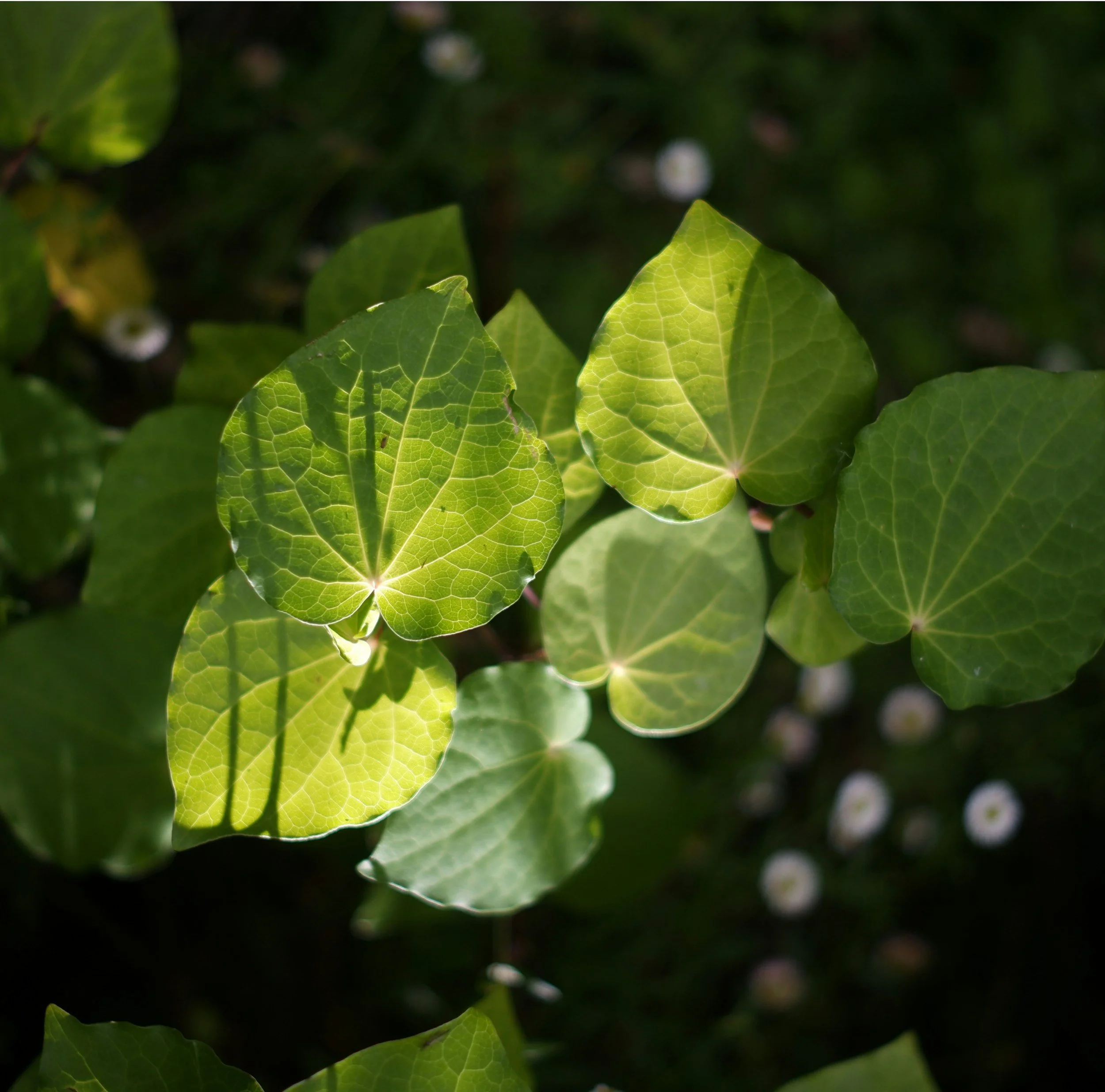
Growing kawakawa is remarkably easy. It tolerates shade to part sun, handles poor soil, and requires virtually no maintenance. The distinctive heart-shaped leaves with insect holes (perfectly natural and actually a sign of a healthy plant) look architectural even without flowers.
Female plants produce orange berries loved by native birds, adding another dimension to the plant’s value. Harvest leaves year-round but they’re most flavourful from spring to autumn. Dry leaves for tea or use fresh for cooking.
Horopito (Pseudowintera colorata)
The pepper tree earns its common name - the leaves have intense, peppery heat that’s genuinely useful in cooking. Use it anywhere you’d use black pepper, but start conservatively as it’s much hotter than you expect. The flavour is complex, with notes beyond simple heat.
The variegated foliage in pink, red, and green makes horopito a stunning ornamental plant. It grows slowly into a compact shrub perfect for small gardens, and tolerates shade to sun in cool climates. Hot, dry positions can bleach the colours, so some afternoon shade helps in warmer areas.
Harvest mature leaves year-round. Dry them thoroughly, then crush to use as seasoning. A little goes a long way - this is potent stuff. The antimicrobial properties mean dried horopito keeps well without losing flavour.
Edible Greens and Vegetables
Puha (Sonchus species)
Several species of puha grow wild throughout New Zealand, and the cultivated forms make excellent garden vegetables. The young leaves have a slightly bitter flavour similar to chicory and are traditionally boiled as greens. The bitterness mellows with cooking and provides an interesting counterpoint to sweeter vegetables.
Wild puha can be somewhat prickly, but garden forms selected for eating have softer leaves. Grow it in vegetable beds or ornamental gardens - the rosettes of lobed leaves are attractive even when you’re not harvesting. It’s a cool-season crop, performing best in spring and autumn.
Harvest young leaves before flowering for best flavour. Older leaves become too bitter. Boil briefly and serve with butter and lemon, or add to mixed greens. The plant will regrow from the base if you don’t pull the whole root.
Pikopiko (Blechnum novae-zelandiae)
The young unfurling fronds (fiddleheads) of this fern are a traditional delicacy. They have a unique flavour often compared to asparagus, though that doesn’t quite capture it. The texture is slightly crunchy with a fresh, green taste that works in both Asian and Europeanstyle dishes.
This fern grows naturally in damp, shady areas and makes an excellent ornamental plant even if you never harvest it. The mature fronds create lush ground cover, and the plant spreads slowly to fill shaded areas. It’s particularly good under trees or along shaded fences.
Harvest only the tightly curled young fronds in early spring, and never take more than a few from each plant. Blanch or sauté briefly - overcooking makes them mushy. They’re excellent in stir-fries or served as a side vegetable.
Kōwhitiwhiti (New Zealand Spinach / Tetragonia tetragonioides)
This coastal native is technically a vegetable crop rather than a wild edible. The fleshy leaves make excellent cooked greens with a flavour similar to conventional spinach but milder. It’s more heat and drought-tolerant than European spinach, making it perfect for New Zealand summers.
The sprawling growth habit works well as edible ground cover in vegetable gardens or mixed borders. Small yellow flowers appear in summer, followed by interesting angular seed pods. It self-seeds moderately but isn’t weedy.
Harvest young shoot tips and leaves regularly to encourage bushier growth. The more you pick, the more it produces. Cook like conventional spinach - it contains oxalic acid like spinach so should be eaten cooked rather than raw. Blanch before freezing for year-round use.
Berries and Fruits
Tī Kōuka / Cabbage Tree (Cordyline australis)
The heart of young cabbage trees was a traditional food source, though harvesting it kills the plant. More sustainably, the flowers are edible with a sweet, nectar-like flavour. They can be eaten raw or infused to make fragrant drinks.
Modern gardens typically grow cabbage trees for their architectural form rather than food. The palm-like silhouette creates strong vertical elements, and newer cultivars offer bronze and burgundy foliage. They’re tough, versatile, and handle everything from coastal exposure to moderate frost.
If you want to try the flowers, harvest a few from mature plants in spring. Don’t take more than you’ll immediately use, and leave plenty for nectar-feeding birds who rely on them.
Flax and Harakeke (Phormium tenax)
While not eaten directly, the nectar from flax flowers was traditionally harvested and highly valued. It can be collected by gently shaking flower stalks over a container, though modern beekeepers might argue this is better left to the bees.
The real value of flax in edible gardens is as a companion plant. The tall flower stalks attract native birds and beneficial insects, improving pollination for other crops. The robust foliage creates wind shelter for more delicate vegetables.
Flax is also incredibly useful for crafts, providing fibre for weaving and construction materials. A few plants give you an ongoing supply of leaves for various projects. Choose varieties appropriate to your climate - coastal forms handle salt and wind, mountain forms tolerate frost.
Growing and Harvesting Guidelines
Sustainable Practices
Never harvest more than 10% of any plant’s edible parts in a single season. This ensures the plant remains healthy and can continue growing. For wild populations, take even less or better yet, don’t harvest wild plants at all - grow your own.
Harvest during active growth periods (spring to autumn) rather than winter when plants are stressed. Take growth from multiple parts of the plant rather than stripping one area. This maintains the plant’s shape and ensures even regrowth.
Learn correct identification before harvesting anything wild. Several toxic plants look superficially similar to edible species. When in doubt, don’t harvest. It’s better to miss out than risk poisoning.
Preparation and Safety
Research proper preparation methods thoroughly. Some traditional foods require specific processing to remove toxins or improve digestibility. Don’t assume you can eat something raw just because it’s traditionally edible - many required cooking.
Start with small amounts when trying new foods. Even genuinely edible plants can cause reactions in some people. Introduce one new food at a time so you can identify any adverse reactions.
Some edible natives contain compounds that can cause issues if consumed in large quantities. Oxalates in spinach, salicylates in horopito - these are fine in normal culinary amounts but excessive consumption could be problematic. Use common sense and moderation.
Storage and Preservation
Most native herbs dry well for long-term storage. Hang small bundles in a warm, dry place with good air circulation until completely dry, then store in airtight containers away from light. Properly dried herbs keep 6-12 months.
Leafy greens like puha and kōwhitiwhiti can be blanched and frozen. This preserves them reasonably well for winter use when fresh growth isn’t available. They won’t have the texture of fresh but work fine in cooked dishes.
Berries can be frozen whole or made into preserves. Ensure proper preparation first - some require cooking before freezing. Follow tested recipes for preserves to ensure safe storage.
Designing Edible Native Gardens
The beauty of edible natives is that most are attractive enough for ornamental gardens. You don’t need a separate “edible” area that looks like a vegetable patch. Mix them into existing beds or create dedicated native gardens that happen to be edible.
A mixed planting might include horopito for its coloured foliage and peppery leaves, kawakawa for architectural form and medicinal tea, flax for structure and nectar, and pikopiko ferns for shady areas. This creates a beautiful, functional garden that provides food, habitat, and visual interest.
Consider accessibility when positioning edible plants. You want harvest plants near paths or living areas where you’ll actually remember to use them. That kawakawa planted at the back of a 3m deep border won’t get picked for tea nearly as often as one right beside your back door.
Group plants by water needs and growing conditions. Coastal natives like kōwhitiwhiti together, shade lovers like pikopiko in another area, and so on. This makes care easier and ensures all plants get appropriate conditions.
Beyond Food: Other Uses
Many edible natives have traditional medicinal uses. Kawakawa leaves in particular are used for various ailments. However, medicinal uses should be approached cautiously and researched thoroughly. Modern medicine exists for good reasons.
The craft uses of many natives are fascinating. Flax for weaving is well-known, but cabbage tree leaves can be used for thatching and cordage, and various plants provide natural dyes. These traditional uses connect us to the land’s history and our ancestors’ knowledge.
Bee and bird plants provide indirect food value. Native plants that support healthy bee populations improve pollination for all your crops. Similarly, attracting native birds creates a more balanced, healthy ecosystem in your garden.
Reconnecting With Native Foods
Growing and eating native plants creates connection to place in ways imported crops can’t match. These plants have been here for thousands of years. They’ve fed people, provided medicine, and sustained culture. When you harvest kawakawa for tea or season dinner with horopito, you’re participating in that ongoing story.
Start slowly with well-known, safe species. Get comfortable with kawakawa tea before moving to more unusual foods. Read extensively, learn from knowledgeable people, and always prioritise safety. The goal is enrichment, not risk-taking.
Your native food garden will attract native fauna, improve local biodiversity, and create teaching opportunities for children and visitors. These plants have stories worth sharing. Every harvest becomes a chance to discuss traditional uses, sustainable practices, and the value of indigenous food systems.
Modern New Zealand gardens can incorporate our unique edible heritage while remaining beautiful, functional spaces. It’s not about recreating pre-European food systems - it’s about thoughtfully including native plants that offer both ornamental and practical value. Start with a few species, learn what works in your garden, and gradually build knowledge and plant collection. Before long, you’ll wonder how you ever gardened without these remarkable plants.
