

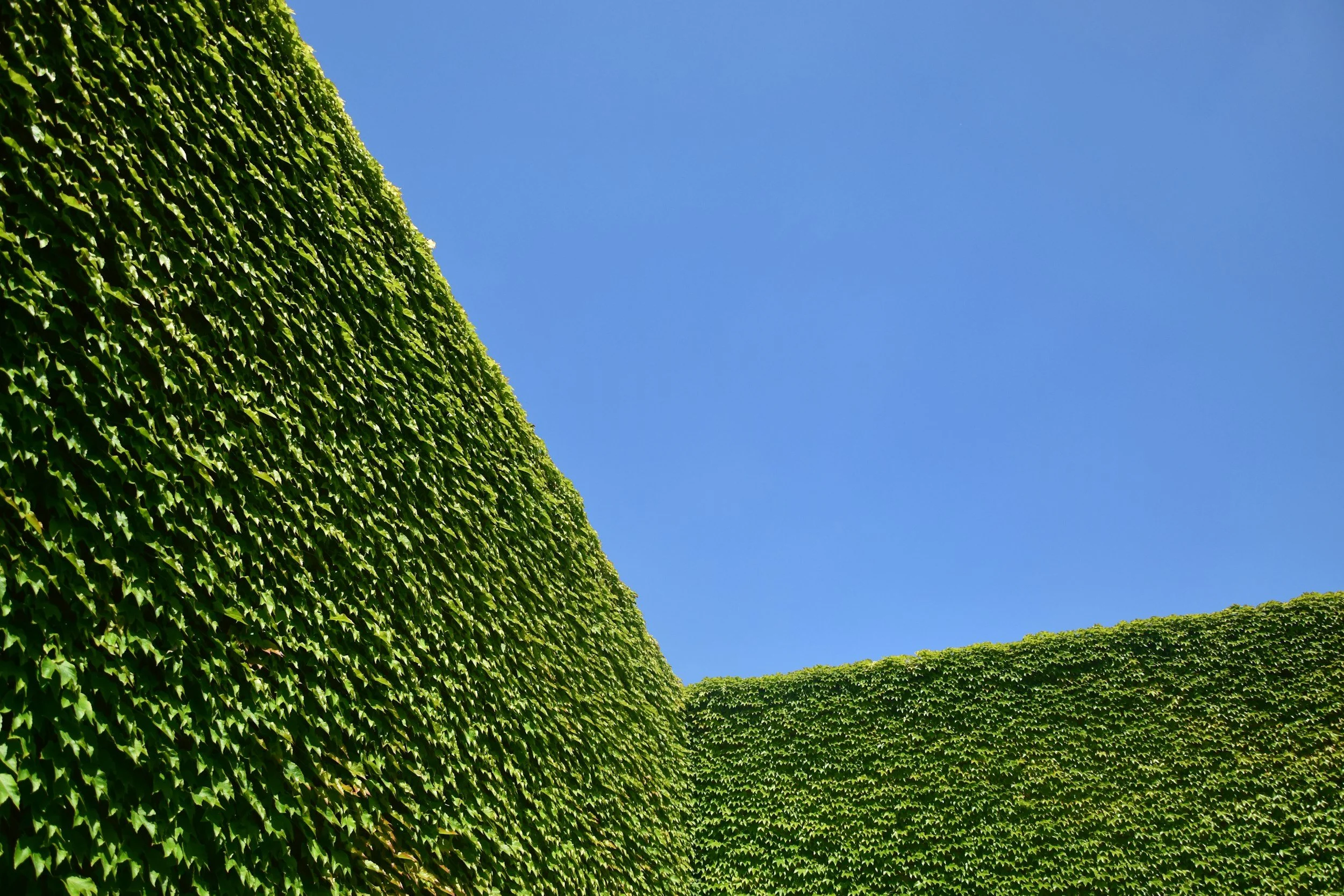
There's something deeply unsatisfying about a fence. It does the job—creates a boundary, provides privacy, keeps the dog in—but it's just so…abrupt. A green, living hedge does everything a fence does, but it also softens, beautifies, and creates habitat. And when you plant native species, you're creating something uniquely New Zealand while supporting local wildlife.
Native hedging has come a long way from the days when your only options were pittosporum or macrocarpa. Today's gardeners can choose from dozens of native species suited to hedging, from tight, formal clipped hedges to loose, naturalistic screens. The key is matching the right plant to your conditions and your intentions.
Why Native Over Exotic?
Before we dive into species selection, let's address the obvious question: why choose native hedging over tried and-true exotics like buxus, privet, or photinia?
First, native plants are adapted to our conditions. They don't struggle with our clay soils, they handle our rainfall patterns, and they're resistant to most local pests and diseases. You're not fighting nature—you're working with it.
Second, native hedges support wildlife. Even a clipped formal hedge provides food and shelter for native birds and insects. Those small flowers that natives produce are nectar sources; the berries that follow are food. Your hedge becomes part of the local ecosystem rather than just a green wall.
Third, native hedges are increasingly fashionable. That "New Zealand native garden" aesthetic is popular for good reason—it connects us to place and creates something authentically ours. Native hedging fits this aesthetic perfectly.
And fourth, many natives require less maintenance than exotic hedging plants. They're naturally dense, they grow at moderate rates (not the ridiculous speed of privet), and they don't need constant feeding and spraying to look healthy.
Griselinia littoralis: The Classic Choice
If New Zealand has a default hedge plant, it's griselinia. There's good reason—this native does almost everything well. The glossy, apple-green leaves create bright, cheerful hedging that looks good year-round. It grows at a manageable pace, tolerates clipping beautifully, and handles almost any conditions from coastal exposure to inland frosts.
Best for: General-purpose hedging where you want reliable performance without fuss. Griselinia suits formal clipped hedges and informal screens equally well.
Growing requirements: Full sun to partial shade, tolerates most soils including clay. Handles coastal conditions excellently. Reasonably drought tolerant once established but grows faster with regular moisture.
Hedging characteristics: Grows about 30-50cm per year once established, reaching 3-4 metres if left unclipped (easily maintained smaller). Produces dense growth that clips well. Space plants 60-80cm apart for hedging.
Potential issues: Can become bare at the base if neglected—regular clipping maintains density from ground level. The cultivar 'Broadway Mint' has slightly larger leaves and more vigorous growth; 'Variegata' offers cream-edged leaves for something different.
Pittosporum tenuifolium: The Elegant Alternative
Kohuhu, or pittosporum, offers a more refined look than griselinia. The smaller, lighter leaves create a finer texture, and the black stems provide subtle contrast. It's perhaps not quite as bulletproof as griselinia, but it's more elegant—the difference between a reliable Corolla and a slightly flashier Audi.
Best for: Gardens where you want something a bit more sophisticated than standard griselinia. Pittosporum suits both formal and informal hedging and looks particularly good in contemporary garden designs.
Growing requirements: Full sun to light shade. Prefers reasonable drainage—less tolerant of heavy, wet clay than griselinia. Handles coastal conditions well. Reasonably frost tolerant.
Hedging characteristics: Moderate growth rate, about 30-40cm per year. Natural height 4-5 metres but easily maintained much smaller. Space plants 50-70cm apart. Clips beautifully and responds well to hard pruning if renovation is needed.
Coloured cultivars: 'Tom Thumb' (dwarf, purple foliage), 'Silver Sheen' (silvery leaves), 'Golf Ball' (naturally compact). These work for lower hedging or accents but aren't suitable for tall boundary screening.
Corokia cotoneaster: The Architectural Option
For something completely different, corokia creates extraordinary hedging with its twisted, interlocking branches and tiny grey-green leaves. It's not for everyone—the effect is sculptural rather than conventional— but in the right setting, corokia hedging is absolutely stunning.
Best for: Contemporary gardens, architectural settings, or anywhere you want something unusual. Corokia makes brilliant informal hedging or low boundary definition. It's also excellent for coastal exposure.
Growing requirements: Full sun essential for dense growth. Excellent drainage required—corokia will not tolerate wet feet. Very drought tolerant once established. Handles frost well.
Hedging characteristics: Slow to moderate growth, about 20-30cm per year. Natural height 2-3 metres. Space plants 50-60cm apart. Can be clipped formally (creates an interesting texture) but looks best with light, naturalistic pruning that maintains its architectural character.
Consider also: Corokia x virgata cultivars like 'Bronze King' or 'Frosted Chocolate' offer coloured foliage variations while maintaining that distinctive twisted form.
Coprosma robusta: The Tough One
If you need hedging in difficult conditions—poor soil, exposed sites, minimal maintenance—coprosma robusta (karamu) is your plant. It's not the prettiest hedge option, but it grows where others fail and provides excellent bird habitat with its orange berries.
Best for: Challenging sites, wildlife hedging, boundary planting in rural or semi-rural settings. Also excellent for establishing quick shelter while more ornamental plants establish.
Growing requirements: Grows almost anywhere. Full sun to partial shade, any soil type, tolerates drought and waterlogging, handles coastal exposure and frost. Genuinely tough.
Hedging characteristics: Fast growing, 40-60cm per year. Can reach 4-6 metres if unclipped. Space plants 80100cm apart for hedging. Clips adequately but looks best as informal screening. The berries (on female plants) attract kereru and other native birds.
Honest assessment: This isn't a plant for formal front garden hedging—it's too coarse for that. But for creating quick shelter, wildlife habitat, or tough boundary planting in difficult conditions, it's excellent.
Olearia paniculata: The Coastal Champion
For gardens near the coast where salt spray defeats most plants, olearia paniculata (akiraho) creates excellent hedging. The grey-green foliage has a silvery, coastal feel, and the plant shrugs off salt spray that would kill most hedging options.
Best for: Coastal gardens, exposed sites, and anywhere that Mediterranean aesthetic is desired. The silvery foliage looks beautiful against blue sea and sky.
Growing requirements: Full sun essential. Excellent drainage required. Very salt tolerant and drought tolerant. Can be damaged by heavy frosts, so best in milder coastal areas.
Hedging characteristics: Moderate growth, 30-40cm per year. Natural height 3-4 metres. Space plants 6080cm apart. Clips well but looks good as informal screening too. Produces masses of white flowers in autumn that attract beneficial insects.
Other coastal olearias: O. solandri has smaller leaves and a finer texture; O. 'Dartonii' offers darker green foliage. Both are excellent coastal hedging alternatives.
Pseudopanax lessonii: The Glossy Statement
For something more architectural, houpara (Pseudopanax lessonii) creates striking hedging with its glossy, palmate leaves. It's the native hedge option that makes a statement—not for those wanting to fade into the background.
Best for: Contemporary gardens, architectural settings, or anywhere you want bold, glossy foliage. Works beautifully in frost-free coastal areas.
Growing requirements: Full sun to light shade. Prefers reasonable drainage. Tolerates coastal conditions well but can be damaged by heavy frosts—best in Auckland and northward, or sheltered positions further south.
Hedging characteristics: Moderate growth, 30-40cm per year. Natural height 3-5 metres. Space plants 6080cm apart. Creates a bold, contemporary look when clipped formally. The large leaves create interesting texture different from finer-leaved options.
Cultivar options: 'Cyril Watson' has cream variegation; 'Gold Splash' has golden variegation. Both are striking but may be too busy for extensive hedging.
Planting Your Native Hedge
Preparation: Prepare the entire hedge line, not just individual planting holes. Dig a trench or strip about 4050cm wide, incorporate compost throughout, and improve drainage if soil is heavy clay. Good preparation now saves years of struggling plants later.
Timing: Autumn (March-May) is ideal for hedge planting—soil is warm, autumn rains help establishment, and plants grow roots over winter ready for spring growth. Spring planting (September-November) also works but requires more watering through the first summer.
Spacing: Space varies by species and desired density. Closer spacing (50-60cm) creates denser hedging faster but costs more in plants. Wider spacing (80-100cm) is more economical but takes longer to fill in. For most native hedging, 60-70cm is a good compromise.
Establishing: Water thoroughly after planting and keep soil moist (not waterlogged) through the first year. Mulch along the hedge line to retain moisture and suppress weeds. A light feed with slow-release fertiliser in spring encourages growth.
Training Your Hedge
First year: Let plants grow without clipping to establish strong root systems. Resist the temptation to shape— establishing roots matters more than early appearance.
Second year: Begin light clipping to encourage bushiness. Cut back the leading shoots by about one-third to encourage branching. Shape the hedge slightly narrower at the top than the base—this ensures light reaches lower branches and prevents the bare-base problem.
Ongoing: Clip formally clipped hedges two to three times per growing season (spring, mid-summer, and early autumn). Informal hedges need just one or two light trims annually. Always clip when growth is actively occurring—late autumn or winter clipping can damage plants.
Renovation: If native hedges become bare at the base or overgrown, most can be hard pruned in late winter/early spring. Cut back to about 30-50cm and they'll regrow from the base. This is drastic but effective for neglected hedges.
Common Hedging Mistakes
Planting too close to boundaries: Check your local council rules about boundary setbacks. Most require hedging to be planted at least 50cm from boundaries, and you're responsible for keeping growth on your side.
Ignoring the base: The most common hedge problem is bare lower growth. This happens when light can't reach lower branches—usually because the hedge is wider at the top than the bottom. Always maintain that slight taper with top narrower than base.
Impatient clipping: Hedge plants need time to establish before heavy clipping. That first-year patience pays dividends in long-term hedge health.
Choosing inappropriate species: That coastal olearia won't thrive in your inland, frost-prone garden. Match plant to conditions, not just to appearance preferences.
The Living Boundary
A well-planted native hedge is so much more than a boundary marker. It's habitat for native birds, nectar source for bees, windbreak for your garden, and beautiful greenery you'll enjoy for decades. It's also, frankly, more interesting than a fence.
Yes, hedges require maintenance—but so do fences (and hedges never need repainting). The ongoing care is minimal once established: a few clips per year, occasional watering during drought, and the satisfaction of watching your living boundary mature and improve with age.
Choose the right native for your conditions, plant it properly, maintain it with basic care, and you'll have beautiful, functional hedging that works with New Zealand's environment rather than against it. That's the kind of boundary worth having.
