

Transforming Deep Shade: Native Plants That Actually Thrive Without Sun
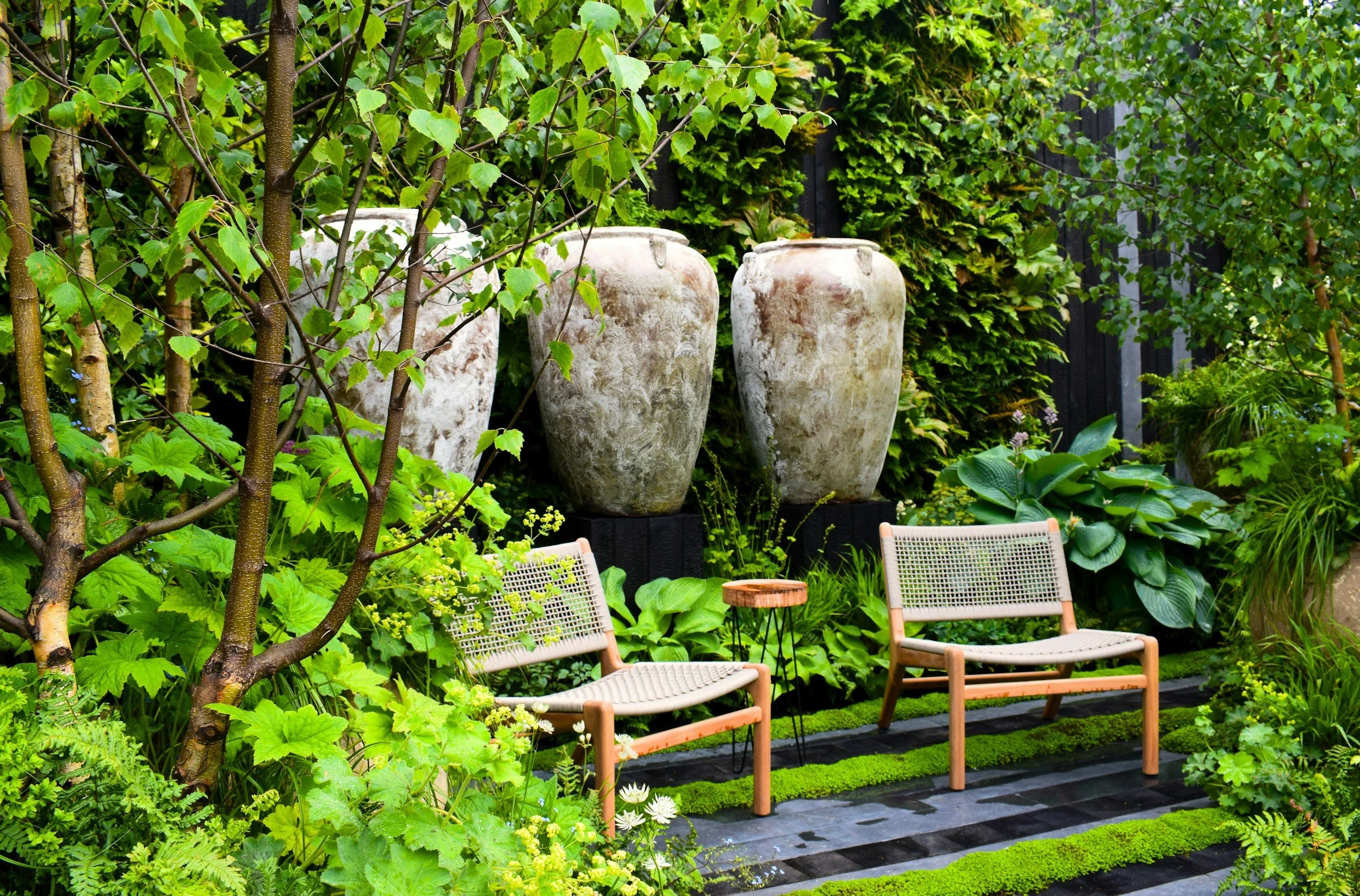
That dark, dank corner under the deck. The permanently shaded strip along the fence. The area under mature trees where nothing seems to grow. Every garden has these challenging spots, and most gardeners give up on them, accepting bare earth or resorting to gravel. But New Zealand’s forest-floor natives evolved specifically for these conditions and can transform your problem shade into lush, thriving displays.
Understanding Shade Types
Not all shade is created equal, and knowing what type you’re dealing with determines which plants will succeed. Dappled shade under deciduous trees, where some sunlight filters through, is completely different from the dense year-round shade cast by buildings or evergreen trees.
Deep shade - where direct sun never reaches - is the trickiest. This is typically found on the south side of buildings, under decks and houses, or beneath dense evergreen canopies. Many plants labeled “shade tolerant” actually mean “tolerates a few hours of morning shade” and will sulk or die in true deep shade.
Dry shade is particularly challenging. This occurs under shallow-rooted trees like macrocarpas or on the south side of houses with wide eaves. The combination of shade and root competition or lack of rain creates conditions where very few plants thrive. You need tough specialists for these spots.
Damp shade offers more options. Areas that stay moist year-round - perhaps near downpipes, in hollow areas, or under deep-rooted trees - can support moisture-loving natives that struggle in typical garden conditions. This is actually the easiest shade type to plant successfully.
Native Ferns: The Shade Garden Backbone
Ferns are New Zealand’s shade specialists, and we have spectacular species for every situation. They bring lush, green presence to the darkest corners and ask remarkably little in return. Understanding which ferns suit which conditions is the key to success.
For Dry Shade
Asplenium oblongifolium (Shining Spleenwort)
This adaptable fern handles dry shade better than almost any other. The glossy fronds stay fresh year-round, and the plant tolerates neglect once established. It grows happily under trees, along shaded fences, or in those impossible spots under the house.
The secret to its toughness is the thick, leathery fronds that conserve moisture. Unlike delicate ferns that wilt in dry conditions, shining spleenwort soldiers on through drought. It slowly forms clumps but never becomes invasive, making it perfect for permanent plantings.
Microsorum pustulatum (Hound’s Tongue Fern)
This scrambling fern creates fantastic ground cover in dry shade. The thick, waxy fronds handle drought remarkably well, and the plant spreads by runners to fill bare areas under trees or along foundations. It’s particularly good at suppressing weeds once established.
The growth habit is more casual than tidy, which works well in naturalistic plantings but might not suit formal gardens. Let it weave between other plants or use it to cover difficult banks in shade. The fresh green fronds provide welcome colour in dark spots.
For Damp Shade
Blechnum discolor (Crown Fern)
If you have damp shade, crown fern is absolutely magnificent. The large, arching fronds create dramatic rosettes that look tropical and lush. New growth emerges pink-bronze before turning deep green, giving you colour as well as structure.
This fern needs consistent moisture and sulks in dry conditions, but in the right spot it grows with barely any attention. It’s excellent under large trees near streams or ponds, in hollow areas that collect water, or anywhere that naturally stays damp year-round.
Asplenium bulbiferum (Hen and Chicken Fern)
The delicate, lacy fronds of this fern belie its toughness in damp shade. It handles deep shade beautifully and produces baby ferns (hence the name) along mature fronds, which root where they touch soil. This natural propagation means it gradually fills areas without becoming invasive.
The finely divided fronds add wonderful texture to shade plantings. Use it under trees, along shaded walls, or anywhere you want soft, ferny presence. It associates beautifully with other shade lovers and looks natural in woodland-style plantings.
Evergreen Natives for Structure
Ferns are wonderful, but you need structural evergreens too. These plants provide yearround presence and create the framework around which everything else works.
Pseudopanax (Five Finger)
Several Pseudopanax species handle shade remarkably well. Pseudopanax arboreus tolerates quite dense shade and produces architectural foliage that looks intentional even when mature plants become leggy. Younger plants are more compact and perfect for smaller spaces.
The distinctive palmate leaves (five “fingers”) create strong visual interest and the plant tolerates both dry and moist shade. It grows slowly, which means less maintenance but also patience. Worth it for year-round structure in difficult spots.
Myrsine (Māpou)
Myrsine australis is an underrated shade champion. The small, glossy green leaves create dense growth that stays neat without constant trimming. Female plants produce orange-red berries that attract native birds, adding another layer of interest.
This plant handles deep shade, root competition, and poor soil without complaint. It’s excellent for creating green mass in problem areas or as an understory planting beneath larger trees. The dense growth also makes it useful for low hedges in shaded positions.
Coprosma ‘Acerosa’ and ‘Propinqua’
While many Coprosma varieties need sun for best colour, these species tolerate considerable shade. Coprosma acerosa creates tangled ground cover with fine, wiry foliage, while Coprosma propinqua forms larger shrubs with glossy leaves and colourful berries.
Both handle dry shade beneath trees and are tough enough for root-competition areas.
They’re not the flashiest plants, but reliability counts for a lot in difficult conditions. Use them to fill problem areas where showier plants have failed.
Ground Covers for Shaded Areas
Bare soil under trees or along shaded fences looks neglected and becomes a weed haven.
Native ground covers solve both problems while adding beauty.
Pratia Angulata (Panakenake)
This tiny creeper forms dense mats studded with white flowers in spring. It handles moderate to deep shade and spreads to fill bare areas without becoming thuggish. The small, round leaves create fine-textured cover that looks intentional.
Pratia handles foot traffic better than many ground covers, making it useful for paths through shaded areas. It stays green year-round and requires virtually no maintenance once established. Perfect for filling those awkward spaces between stepping stones in shade.
Selliera Radicans (Remuremu)
For damp, shaded areas, selliera creates robust ground cover. The glossy leaves and small white flowers aren’t showy, but the plant’s toughness in difficult wet shade is impressive. It handles both shade and boggy conditions that defeat most other plants.
This is a practical choice for problem areas rather than a featured plant. Use it where nothing else will grow - the perpetually soggy, shaded corner; the area under trees near a leaky tap; anywhere you’ve given up on. Selliera won’t give up.
Dichondra Brevifolia (Kidney Weed)
The small, kidney-shaped leaves of this native creeper create attractive fine-textured ground cover in shade. It spreads steadily but not aggressively, filling gaps between larger plants without smothering them. The soft green colour brightens dark areas.
Unlike many ground covers that look good from a distance but messy up close, Dichondra maintains a tidy appearance at all scales. It’s excellent in naturalistic plantings or more formal settings. Handles both dry and moist shade reasonably well.
Adding Colour to Shade
Shade doesn’t mean green-only. Several natives bring colour without needing sun.
Carex Species
We’ve mentioned bronze sedges for sun, but several species develop good colour even in shade. Carex dissita has bronze tones that hold well in moderate shade, while Carex solandri offers dark green with bronze highlights. Both handle shade beneath trees beautifully.
The key is choosing species that naturally prefer some shade. Don’t expect sun-loving sedges to perform in deep shade, but shade-adapted species bring welcome colour and movement to dark areas. Their fountaining growth adds texture too.
Arthropodium Cirratum (Rengarenga)
The dark green, strap-like leaves of rengarenga provide architectural colour in deep shade. In late winter to early spring, tall spikes of white flowers add vertical interest. The plant grows well under trees in dry shade where many other flowering plants fail.
This is one of the most reliable performers in difficult dry shade. It tolerates root competition, poor soil, and neglect while maintaining good appearance year-round. The spreading clumps gradually fill bare areas without becoming invasive.
Libertia Species
Several Libertias handle shade well. Libertia grandiflora produces white flowers in spring even in moderate shade, while the foliage remains fresh year-round. It’s particularly good in damp shade where it spreads slowly to create large clumps.
The white flowers brighten shaded areas at a time when colour is welcome. The iris-like foliage provides good texture contrast against ferns and broader-leafed plants. Relatively low-maintenance once established.
Designing Shaded Areas
Successful shade gardens use layering and repetition to create cohesion. Start with structural evergreens as your framework, add ferns for lush mass, and finish with ground covers to suppress weeds and complete the picture.
Layer 1: Canopy and Structure
If your shade comes from existing trees or buildings, this layer is already determined. Otherwise, use taller shade-tolerant natives like Pseudopanax or larger Coprosma species to create height and structure. Space these 2-3m apart.
Layer 2: Mid-Height Ferns and Perennials
Fill the middle layer with ferns chosen for your specific shade conditions (dry or damp). Add clumps of Arthropodium or Libertia for flowers and textural variety. This layer should create visual bulk and screen bare stems of taller plants.
Layer 3: Ground Cover
Complete the planting with appropriate ground covers to suppress weeds and create finished appearance. Choose species that suit your moisture conditions and spread them generously - you want coverage, not spotty planting.
The key is avoiding the “dotted plant” look where single specimens sit awkwardly in bare soil. Use generous groups of fewer species rather than one each of many different plants. This creates coherence and impact.
Soil Preparation for Shade
Shaded soil is often poor quality - either dry and depleted from root competition or damp and acidic from lack of breakdown. Preparation makes the difference between success and failure.
For dry shade under trees, incorporate large amounts of compost before planting. This improves water retention and provides nutrients in root-competition areas. Add slow-release native fertiliser at planting time and mulch heavily after planting.
In damp shade, ensure adequate drainage while maintaining moisture. If water pools, consider raising beds slightly or installing drainage. If soil is very acidic (common under pines), add lime to bring pH to 6.0-6.5, which most natives prefer.
Mulch is crucial in shade gardens. It conserves moisture in dry areas, moderates soil temperature, and gradually improves soil structure as it breaks down. Use 5-8cm of bark chips or leaf mulch, keeping it clear of plant stems.
Maintenance for Shade Gardens
The beauty of native shade gardens is their low maintenance needs. Once established, most require only occasional tidying and leaf removal. But the establishment phase needs attention.
Water regularly for the first summer, even in damp shade. Container-grown plants have limited root systems initially and need help getting established. Once roots penetrate surrounding soil (usually one full growing season), most shade natives are remarkably selfsufficient.
Remove fallen leaves regularly in the first few years. Once ground covers have filled in, they’ll trap leaves naturally, which is fine. But on bare soil or young plants, thick leaf layers can smother growth and prevent establishment.
Fertilise sparingly if at all. Shade plants grow more slowly than sun lovers and need less feeding. A light application of slow-release native fertiliser in spring is plenty. Too much fertiliser causes soft growth that attracts pests and looks unnatural.
Common Mistakes to Avoid
The biggest mistake is choosing plants that tolerate some shade and expecting them to perform in deep shade. “Shade tolerant” often means “tolerates morning shade” not “thrives in permanent shadow.” Use true shade specialists for deep shade.
Another error is planting too densely initially. Shade gardens develop slowly, and it’s tempting to pack plants in for immediate effect. Resist this. Crowded plants compete for limited resources and never develop proper form. Be patient and let plants fill in naturally.
Don’t neglect dry shade areas until plants are established. Many shade natives are droughttolerant once mature, but they need regular water while establishing root systems. The first summer is critical - water consistently even if plants seem fine.
Finally, avoid expecting immediate results. Shade gardens develop more slowly than sunny borders. What looks sparse in year one becomes pleasingly full in year three. Trust the process and maintain care during establishment.
Transforming Your Problem Shade
Those dark, difficult corners don’t have to be your garden’s failure zones. With appropriate native plants and proper preparation, they can become the most interesting areas - lush, green sanctuaries that require minimal maintenance once established.
Start by accurately assessing your shade type and moisture conditions. Choose plants adapted to those specific conditions rather than hoping generalists will adapt. Prepare soil well, plant generously, and maintain care through the establishment phase.
Within a few years, your problem shade will have transformed into thriving habitat. Native birds will appreciate the shelter and food sources. You’ll appreciate having a beautiful, low maintenance area that was previously an eyesore. And other gardeners will wonder how you managed to make shade look so effortlessly good.
