

Gardening When You're Renting: Creating Beauty You Can Take With You
Here's a frustrating reality for many gardeners: you desperately want to create a beautiful outdoor space, but you're renting. Maybe you're not sure how long you'll stay. Maybe your landlord has opinions about what you can plant. Maybe you've been burned before—spent time and money on a garden only to leave it behind when you moved.
The good news? Renting doesn't mean giving up on gardening. It just means thinking differently about how you approach it. With clever container choices, portable plants, and strategic investment, you can create a garden that moves with you—taking your favourite plants (and your gardening satisfaction) wherever life takes you next.
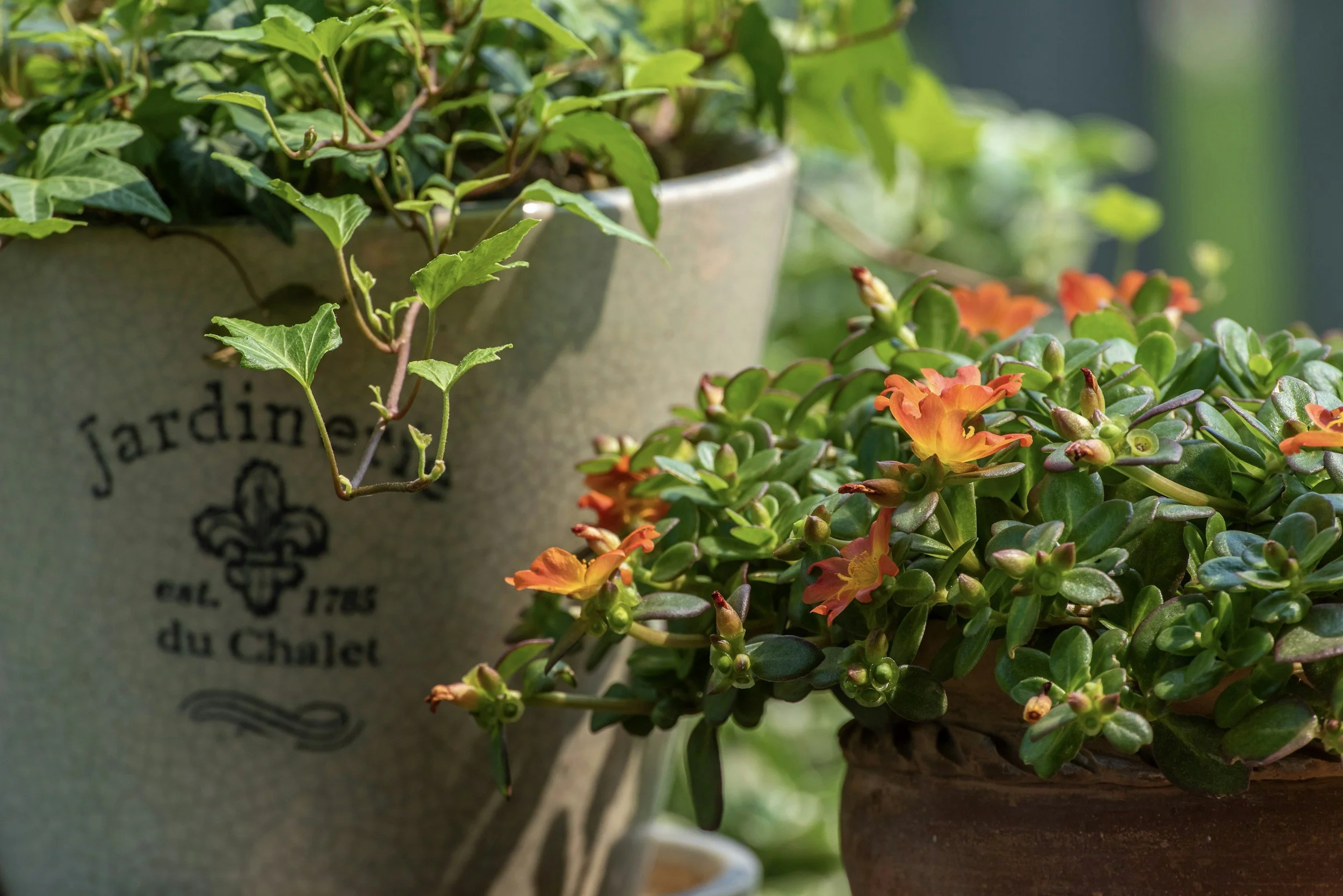
The Portable Garden Mindset
The first mental shift is accepting that your garden will be different from a permanent one. You're not planting trees that'll shade your grandchildren. You're creating beauty and growing things you love in ways that aren't fixed to the ground.
This isn't a compromise—it's actually quite liberating. Container gardens can be rearranged on a whim. Potted plants travel with you. You can experiment more freely when you're not committing to permanent plantings. And honestly, some of the most beautiful gardens in the world are entirely container-based.
The second shift is thinking about investment strategically. Spend money on things that move with you (pots, plants, furniture) rather than things that stay (permanent beds, installed irrigation, trees). Your budget goes further when it's not being left behind.
Containers: Your Portable Garden Foundation
Good containers are the foundation of a successful rental garden. Invest in quality pots and you'll use them for decades, moving them from rental to rental until you eventually have your forever home (where they'll still be useful).
What to look for: Choose containers with drainage holes—this is non-negotiable. Lightweight materials like quality plastic, fibreglass, or resin are practical for moving, while terracotta and ceramic look beautiful but weigh significantly more. Large containers (40cm diameter and up) are more practical than small ones—they dry out less quickly and give plant roots room to develop.
The investment calculation: A good-quality large pot costs $80-150 and lasts essentially forever. Cheap pots crack, fade, and look terrible within a few years. Spend more upfront and you'll never need to buy containers again.
Grouping for impact: A single pot looks lonely. Groups of three to five containers in varying heights create visual impact that rivals permanent garden beds. Odd numbers work better than even numbers—it's a design principle that just works.
The Best Plants for Portable Gardens
Not all plants suit container life. The ideal portable garden plants share certain characteristics: they tolerate root restriction, cope with the faster moisture fluctuations of containers, and transplant well when you move.
Native shrubs that thrive in containers:
Hebe varieties are brilliant container subjects. Most cultivars stay naturally compact, they flower reliably, and they tolerate the conditions of pot culture beautifully. 'Wiri Mist', 'Autumn Glory', and the smaller-leaved varieties all work well. Choose containers at least 35cm diameter for established plants.
Coprosma cultivars adapt remarkably well to containers. The foliage colours—those oranges, reds, and bronzes —actually intensify when plants are slightly stressed, and container culture provides just enough stress to enhance colouring without compromising health. 'Pacific Sunset' and 'Tequila Sunrise' are both excellent choices.
Pittosporum 'Tom Thumb' is practically designed for container gardening. It stays compact (about 1 metre), provides year-round colour with its deep purple foliage, and tolerates the conditions of pot life without complaint.
Small Astelia varieties create striking architectural statements in containers. Their silver-grey foliage looks spectacular in contemporary pots and provides that native bush atmosphere in a portable format.
Groundcovers for under-planting: Fill the base of your larger containers with native groundcovers like Pratia angulata, native violets, or small Libertia species. This makes containers look more established and natural while also helping retain moisture.
Edibles in Containers: Practical and Portable
If you love growing food, containers are actually excellent for many edibles. And unlike ornamental gardens, productive gardens provide tangible returns on your investment—you're not just beautifying a rental; you're feeding yourself.
What grows brilliantly in containers: Salad greens are perfect—lettuce, mesclun, rocket, and Asian greens all thrive in containers as shallow as 20cm. You can harvest for months from a single planting.
Tomatoes need large containers (at least 40cm diameter, deeper the better) but produce extraordinarily well. Cherry tomatoes are particularly suited to containers and will keep producing all summer.
Herbs are container naturals. A single large pot with rosemary, thyme, oregano, and sage provides most of your culinary herb needs. Parsley and coriander prefer their own containers as they like more moisture.
Chillies are compact, productive, and beautiful—those coloured fruits are genuinely ornamental. One or two plants in individual pots provide more chillies than most households can use.
The Rental Garden Reality Check
What you can probably do without permission: Add container plants to existing outdoor spaces. Use pot plants to soften and enhance what's already there. Plant annuals in existing garden beds (they'll be gone before you are). Add temporary structures like plant stands or trellises that don't require permanent installation.
What usually requires landlord approval: Digging new garden beds. Removing existing plants. Installing irrigation systems. Adding permanent structures like raised beds or built-in planters.
The conversation worth having: If you're planning a longer tenancy, it's worth talking to your landlord about garden improvements. Many landlords appreciate tenants who maintain and improve gardens—you're adding value to their property. A well-presented proposal for simple improvements often gets approved.
Creating Impact Without Permanent Changes
Even without altering permanent plantings, you can dramatically improve a rental garden's appearance.
The entrance transformation: Flank the front door with matching large containers planted with seasonal colour. This single change makes the entire property look better maintained and more welcoming. Use hardy plants that look good year-round—hebes, coprosmas, or clipped buxus if you prefer a formal look.
The outdoor room effect: Group containers to define "rooms" within the outdoor space. A cluster of pots can separate a dining area from a lawn, create the feel of a garden bed without any digging, or screen an ugly view. Think of containers as furniture that happens to be planted.
Vertical interest: Pot stands and plant shelves add height variation to container collections without any installation. A tall pot stand with cascading plants creates drama; a stepped arrangement of matching pots makes a feature of a blank wall.
Temporary screening: Need privacy from neighbours? Large pots with fast-growing natives like pittosporum or griselinia can create surprisingly effective screening within a single growing season. Bamboo in containers works too, though check it's a clumping variety—running bamboo in containers is asking for trouble.
The Practicalities of Moving Gardens
When moving day comes, your portable garden needs a plan.
A week before moving: Stop feeding plants—you want them slightly hardened off for the stress of moving. Water thoroughly a day or two before the move so containers are moist but not waterlogged (heavy).
Moving day: Transport containers upright if possible. Laying pots on their sides damages stems and dumps soil. If plants are too tall to transport upright, consider a light trim before moving to make them manageable.
For large containers, wheeled pot trolleys make moving dramatically easier. These cost about $30-50 and save your back.
Immediately after arrival: Get plants positioned and watered as soon as practical. Even one day without water can stress container plants significantly, especially in warm weather. Don't worry about final positioning immediately—just get them watered and out of direct sun.
Settling in: Plants often look worse after a move before they look better. This is normal. Maintain regular watering, avoid feeding for a month or so, and let them recover in their own time.
Building a Garden You'll Keep Forever
One of the unexpected benefits of rental gardening is that you build a collection over time. That hebe you bought for your first flat? It travels with you to the next place, and the next. By the time you own property, you've got an established plant collection ready to go—plants with history and meaning, already mature.
Think of each rental as an opportunity to add to your collection. Buy one or two quality containers each year. Add plants that you love and that perform well for you. By the time you're planting a permanent garden, you'll know exactly what thrives in your conditions and what you enjoy growing.
Starting Your Portable Garden
If you're starting from scratch, begin with impact. Three matching containers in varying sizes, planted with complementary plants, creates an instant feature. Add to this foundation over time rather than trying to create everything at once.
Consider what matters most to you. Love cooking? Start with an edible container garden. Crave greenery?
Focus on foliage plants in multiple containers. Want colour? Choose flowering natives or seasonal annuals.
And remember—this isn't about making do until you own property. This is about creating beauty now, in the space you have, with plants you love. That's what gardening is, regardless of whether you own the land beneath the pots.
Your rental garden might move with you every few years. But it's still your garden, still your plants, still your growing satisfaction. Start planting.
