

How to Design a Pollinator-Friendly Native Garden
You've probably noticed there aren't quite as many bees buzzing about as there used to be, and butterflies seem rather scarce these days. It's not your imagination - pollinator populations are genuinely struggling. But here's the lovely bit: your garden, however small, can be part of the solution. Creating a pollinator-friendly native garden isn't complicated or expensive, and the rewards are tremendous. You'll have a garden that's alive with movement, colour, and purpose. Let's work out how to make your patch of earth into a proper pollinator paradise.
The secret isn't cramming in as many flowering plants as possible. It's about understanding what pollinators actually need - food throughout the seasons, safe spaces to nest and shelter, and a pesticide-free environment where they can thrive. Get these basics right and the pollinators will absolutely find you.
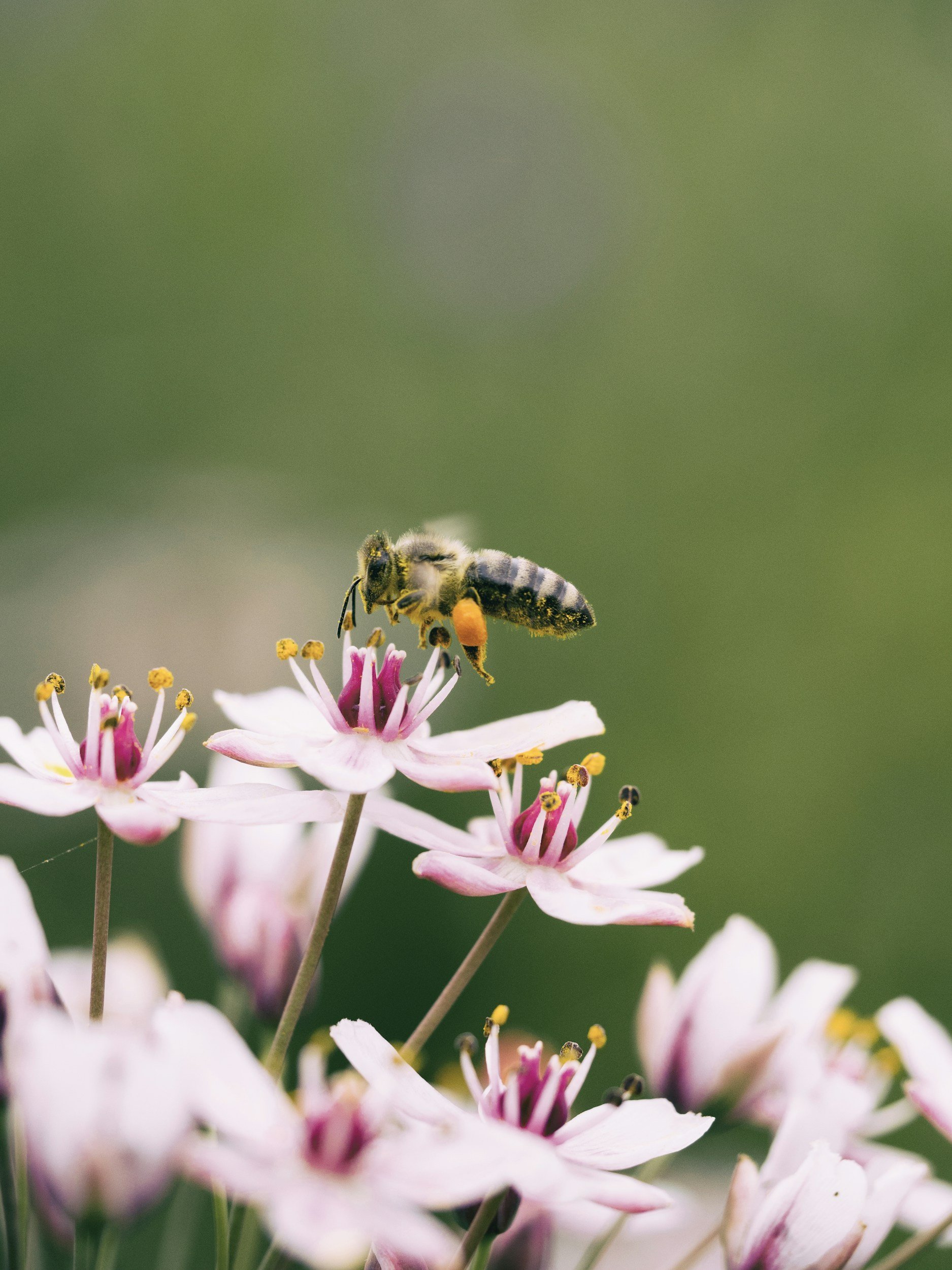
Understanding New Zealand's Pollinators
Before we dive into plants, let's talk about who we're actually helping. New Zealand's pollinator community is rather unique, and knowing your audience makes all the difference.
Native bees: We've got around 28 species of native bees, and they're brilliant pollinators. Unlike honeybees, many are solitary - they nest alone in holes in wood, banks, or hollow stems rather than in hives. They're generally smaller and less aggressive than honeybees, and they're remarkably efficient pollinators. The thing is, they need different resources than honeybees - particularly nesting sites.
Honeybees: Not native, but they're here and they do pollinate. They're generalists - they'll visit many different flower types. However, creating habitat specifically for them (hives) is different from supporting wild pollinators. Focus on the native bees and other pollinators, and honeybees will also benefit.
Butterflies and moths: Both are important pollinators, and their caterpillar stages are crucial food for native birds. Monarchs are the obvious ones, but we've got native butterflies like coppers and blues that need specific host plants for their caterpillars.
Flies: Often overlooked, but hover flies and other flies are significant pollinators, especially for flowers with easily accessible pollen. They're particularly important in cooler weather when bees are less active.
Beetles and other insects: Various beetles, native wasps, and other insects also contribute to pollination. A diverse insect community creates a resilient pollinator network.
Plants That Pollinators Actually Love
Not all flowers are created equal from a pollinator's perspective. The best plants provide accessible nectar and pollen, flower over extended periods, and offer abundant food sources.
Hebe varieties: Absolutely brilliant for pollinators. The compact flower spikes are rich in nectar and easily accessible. Different Hebe species and cultivars flower at different times, so you can have Hebe in bloom from spring through autumn. 'Wiri Mist', 'Wiri Grace', and Hebe odora are particularly good. Bees adore them, and you'll see constant activity around flowering Hebe. Full sun to part shade, easy care, and genuinely excellent pollinator plants.
Sophora (Kowhai): The tubular yellow flowers are specifically adapted for tūī and bellbirds, but they're also visited by bees and other insects for pollen. Flowering occurs in spring, providing crucial early-season food when pollinators are emerging. Different Sophora species flower at slightly different times, extending the season. Sun to part shade.
Leptospermum (Manuka and Kanuka): These are pollinator superstars. The flowers provide abundant nectar (yes, that's where manuka honey comes from) and pollen. Flowering occurs spring to early summer, and the extended flowering period provides consistent food. Both native bees and honeybees visit extensively. Full sun, handles poor soils brilliantly.
Phormium (Flax): The tubular flowers produce copious nectar, attracting native birds primarily, but native bees also visit. Different flax varieties flower at different times through summer. The abundant nectar production makes flax a valuable food source during flowering. Sun to part shade.
Coprosma varieties: Small flowers might not look showy, but they're rich in pollen and visited by various small native bees and flies. Different Coprosma species flower at different times, generally spring to early summer. The small, accessible flowers suit smaller pollinator species perfectly. Sun to part shade.
Clematis paniculata: Masses of white flowers in spring provide abundant pollen (no nectar in Clematis). Native bees, flies, and beetles all visit for pollen. The extended flowering over several weeks provides consistent food. Part shade to full sun.
Hebe parviflora varieties: Particularly good for native bees. The small flowers are perfectly sized for smaller bee species. Flowers through summer into autumn, providing food when many other plants have finished. Alpine varieties handle cold brilliantly. Sun to part shade.
Melicytus ramiflorus (Mahoe): Small greenish flowers are not showy but extremely valuable to pollinators. They flower in spring and are visited by native bees, flies, and other small insects. The berries that follow feed native birds. Part shade to sun.
Cordyline australis (Cabbage Tree): Large flower panicles produce abundant nectar and attract a wide range of pollinators including bees, flies, and beetles. Flowering occurs late spring to early summer. The honey-scented flowers are genuinely fragrant. Sun to part shade.
Pittosporum tenuifolium: Small dark purple flowers are intensely fragrant and rich in nectar. They flower in spring and attract bees, flies, and other insects. The scent is particularly strong in evenings. Sun to part shade.
Creating Flowering Succession
Having flowers from early spring right through to late autumn is crucial. Pollinators need food throughout the seasons, not just in peak summer. Here's how to achieve continuous flowering with natives.
Early spring (August-September): Sophora microphylla (early kowhai), early Hebe varieties, Pittosporum tenuifolium.
Mid-late spring (October-November): Clematis paniculata, Leptospermum (manuka/kanuka), Cordyline australis, Coprosma varieties, later Sophora species.
Early summer (December-January): Phormium varieties, Hebe cultivars, Metrosideros (pohutukawa/rata), continued Leptospermum.
Mid-late summer (February-March): Later-flowering Hebe varieties, Hebe parviflora types, ongoing Phormium, Brachyglottis (rangiora).
Autumn (April-May): Late Hebe varieties, Olearia paniculata (akiraho), Pseudopanax arboreus.
By combining these plants, you create a buffet that's open from August through May. This sustained food source supports pollinator populations through breeding seasons and helps them build up reserves for winter.
Nesting Sites for Native Bees
Food is only half the equation. Native bees need places to nest, and most gardens are rather lacking in suitable sites. Here's how to provide bee housing.
Bare ground: Many native bees nest in small holes in bare soil, particularly banks or well-drained areas. Leave some patches of bare, undisturbed soil - not everything needs to be mulched or planted. South or west-facing banks that get good sun are particularly valuable. Compact soil slightly but not hard - bees need to be able to excavate.
Hollow stems: Some native bees nest in hollow or pithy stems. Leave some dead flower stems standing over winter rather than cutting everything back in autumn. Phormium flower stems, thick hollow stems from perennials, or bundles of bamboo canes (various diameters) provide nesting tubes. Tie bundles horizontally in sheltered spots.
Wood with holes: Drill holes 2-10mm diameter, 10-15cm deep into untreated wood blocks. Vary the hole sizes to accommodate different bee species. Position blocks in sunny, sheltered spots facing north or northeast. The holes provide ready-made nesting tunnels that native bees will absolutely use.
Old logs: Leave dead wood in gardens - old logs, stumps, or large branches. They provide nesting sites for wood-boring beetles (which create holes bees then use) and shelter for various insects. Position in part shade where they won't dry out completely.
Rock piles: Create small rock piles or walls with gaps between rocks. These provide shelter and potential nesting sites for various insects and invertebrates. Position in sunny spots where rocks will warm up.
Water Sources for Pollinators
Pollinators need water, especially during hot weather, but they can easily drown in deep water. Provide safe drinking sources.
Shallow dishes: Place shallow dishes (saucers, flat stones with depressions, shallow birdbaths) around the garden. Add small stones or pebbles to provide landing spots where insects can drink without drowning. Keep water fresh - change every few days to prevent mosquito breeding.
Damp patches: Butterflies particularly like damp mud or sand. Create a small damp patch in a sunny spot by keeping sand or fine soil moist. This provides both water and minerals that butterflies need.
Bird baths with modifications: If you have bird baths, add stones or twigs that reach above water level. These provide safe landing spots for insects whilst still serving birds.
Garden Structure for Pollinator Support
How you structure your garden matters as much as what you plant. Pollinators need more than just flowers - they need habitat complexity.
Create layers: Plant in layers - ground covers, low shrubs, medium shrubs, small trees. This provides shelter from wind, creates varied microclimates, and supports diverse insect communities. More structural diversity = more pollinator diversity.
Allow some wildness: Over-tidy gardens aren't great for pollinators. Leave some areas slightly wild - longer grass, fallen leaves, undisturbed corners. These provide shelter and overwintering sites. You don't need (or want) a manicured lawn throughout.
Provide shelter: Dense shrubs like Coprosma or Pittosporum provide shelter from wind and rain. Pollinators need places to shelter during bad weather or overnight. Aim for at least some dense, evergreen shelter planting.
Group plantings: Plant in groups of at least three to five of the same species rather than isolated singles. This makes flowers easier for pollinators to find (concentrated scent and colour) and more efficient to visit (less energy spent travelling between flowers).
Avoid chemicals: This should go without saying, but no pesticides, herbicides, or fungicides in pollinator gardens. Even supposedly "bee-safe" products can harm beneficial insects. Garden organically, tolerate some pest damage, and let natural predators establish balance.
Host Plants for Butterfly Caterpillars
Adult butterflies need nectar, but their caterpillars need specific food plants. Including these supports complete butterfly lifecycles.
For Monarch butterflies: Plant swan plants (Gomphocarpus physocarpus) - not native, but monarchs are established here now and genuinely spectacular. Position in sunny spots. Expect caterpillars to completely defoliate plants - that's success, not failure. Plants regrow after caterpillars pupate.
For Copper butterflies: Plant native Muehlenbeckia species - M. australis or M. complexa. These are the primary host plants for native copper butterflies. Let plants grow reasonably large to support caterpillar populations.
For native moths: Native grasses (Chionochloa, Microlaena) host various native moth caterpillars. Many native shrubs also support moth caterpillars - Coprosma, Pittosporum, and Melicytus are particularly valuable.
Accept leaf damage: If caterpillars are eating foliage, celebrate! That's exactly what you want. Caterpillars are crucial food for native birds and will become adult butterflies or moths. A few eaten leaves is a sign of a healthy, functioning garden ecosystem.
Design Layout for Maximum Pollinator Value
How you arrange your pollinator-friendly plants affects how effectively pollinators can use your garden.
Create pollinator pathways: Plant in drifts or bands that connect different garden areas. This helps pollinators navigate and discover food sources. Scattered individual plants are harder for pollinators to find and less efficient to visit.
Sunny spots for flowers: Position flowering plants where they'll get good sun. Most pollinator activity occurs in sunny conditions. Shady flower plantings will receive far fewer visits.
Shelter nearby: Ensure flowering areas have shelter nearby where pollinators can retreat during wind or rain. A band of Hebe in front of a Coprosma hedge, for example, provides flowers with shelter immediately behind.
Keep it close: Don't spread plantings too far apart. Pollinators have limited flight ranges (especially smaller native bees). Concentrated planting in one area is more valuable than the same plants scattered over a large area.
Year-round structure: Include evergreen structural plants that provide shelter year-round. This ensures overwintering insects have safe places to spend winter months.
Small Garden Pollinator Strategies
You don't need acres to support pollinators. Small gardens can be brilliantly effective with focused planting.
Vertical planting: Use walls and fences for Clematis or trained shrubs, maximizing flower production without using much ground space. Wall-mounted pots with Hebe provide additional flowers.
Container gardens: Pots with Hebe, compact Phormium, or Coprosma provide pollinator food on balconies or patios. Group multiple pots together for concentrated flower power.
Focus on high-value plants: Choose plants that flower for extended periods and are particularly attractive to pollinators. Hebe, Leptospermum, and Coprosma in a small garden provide excellent value.
Native bee houses: In tiny gardens where leaving natural nesting sites is difficult, artificial bee houses (drilled wood blocks or bundles of hollow stems) provide concentrated nesting sites in minimal space.
Maintaining a Pollinator Garden
Once established, pollinator gardens need surprisingly little maintenance - in fact, too much tidiness can be counterproductive.
Leave dead stems over winter: Many native bees and beneficial insects overwinter in hollow stems or seed heads. Leave these standing until spring, then cut back just before new growth begins.
Delay autumn tidying: Hold off on major garden tidying until late winter or early spring. Fallen leaves, seed heads, and plant debris provide overwintering habitat for various insects.
Mulch carefully: Mulch around plants but leave some bare soil patches for ground-nesting bees. Heavy mulching everywhere eliminates nesting sites.
Minimal pruning: Prune only when necessary for plant health or size control. Over-pruning reduces flower production and removes potential nesting sites.
No chemicals, ever: Maintain organic practices. Even organic pesticides like pyrethrum can harm beneficial insects. Hand-pick serious pests, spray aphids with water, or simply tolerate some damage.
Measuring Success
How do you know if your pollinator garden is working? Here's what to look for.
Increased activity: You'll see more bees, butterflies, and other insects visiting flowers. Spend five minutes observing flowering plants on a sunny morning - you should see regular visitors.
Native bees: Look for smaller, darker bees visiting flowers - these are often native species rather than honeybees. Native bees are generally less conspicuous but incredibly valuable pollinators.
Occupied nesting holes: If you've provided drilled blocks or hollow stems, check for holes that have been sealed with mud or plant material - this indicates a native bee has nested there.
Birds visiting: More insects means more food for insectivorous birds. You'll likely see fantails, grey warblers, or silvereyes hunting insects in your pollinator garden.
Leaf damage: Some chewed leaves indicate caterpillars are present - success! This means butterflies or moths are completing their lifecycles in your garden.
Your Pollinator Garden Action Plan
Start with continuous flowering - choose at least 5-7 plants that flower at different times, ensuring food from early spring through autumn. Add nesting sites - leave bare soil patches, provide hollow stems or drilled blocks, and include some dead wood.
Create structural diversity with layered planting, include shelter plants, and avoid all pesticides. Provide shallow water sources with safe landing spots. Include host plants for butterfly caterpillars. Then step back and let nature do its thing.
Your garden will become noticeably livelier - buzzing with bees, fluttering with butterflies, alive with movement and purpose. You'll be supporting vital pollinator populations whilst creating a garden that's endlessly fascinating to observe. Every flower you plant, every nesting site you create, genuinely makes a difference. Your small patch of earth can be part of a network of gardens supporting New Zealand's pollinators. That's rather brilliant, isn't it?
