

The Best Native Trees for Small Auckland Gardens
You'd love a tree in your Auckland garden - a bit of height, some proper structure, maybe some shade for those scorching summer afternoons. But here's the problem: your garden's only 150 square metres (if you're lucky), and you're absolutely terrified of planting something that'll grow to 15 metres and dominate the entire space. It's a proper conundrum, isn't it? The brilliant news is that "tree" doesn't have to mean "massive." There are genuinely lovely native trees that stay compact, suit Auckland's climate perfectly, and create all the benefits of trees without the overwhelming size. Let's work out which ones actually fit small Auckland gardens.
The key is understanding mature size before you plant. That cute 50cm sapling will become its adult self eventually, and if that adult is 12 metres tall, your small garden has a big problem. Choose wisely from the start and you'll have trees that enhance rather than dominate your space.
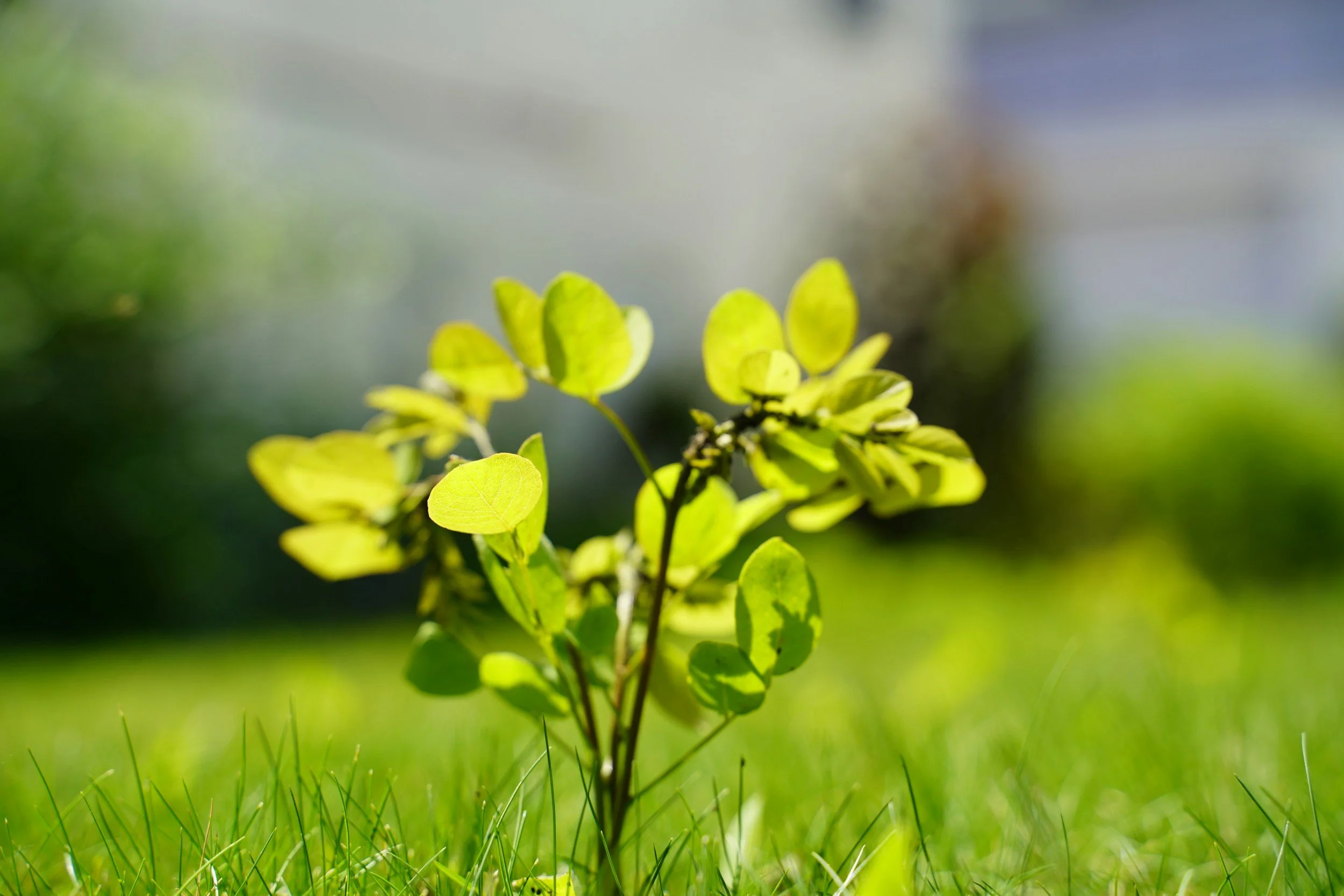
Understanding "Small Tree" Scale
Let's be clear about what we mean by "small." For this article, we're talking about trees that mature at 3-6 metres tall - large enough to provide proper tree benefits but small enough to work in compact Auckland gardens. These aren't shrubs pretending to be trees; they're genuine trees scaled appropriately for limited space.
Why size matters in Auckland: Auckland's warm, humid climate makes plants grow vigorously. That "grows to 4 metres" label? In Auckland conditions with reasonable care, it might reach 5-6 metres. Always assume plants will reach the upper end of their size range here - our growing conditions are genuinely excellent.
Sophora microphylla 'Dragon's Gold' (Kowhai)
This compact kowhai is absolutely brilliant for small Auckland gardens. It grows to about 3-4 metres tall with a similar spread - proper tree scale but manageable. The lacy, fine foliage creates lovely dappled shade rather than dense darkness, and oh, those flowers! Golden cascades in spring (usually September-October in Auckland) that tūī absolutely adore. It's genuinely spectacular when in bloom.
Auckland suitability: Excellent. Kowhai thrive in Auckland's climate. Good drainage is important (our clay soils can be challenging), so improve drainage if needed. Full sun to part shade, though flowering is best in full sun.
Planting tips: Autumn planting (March-May) works brilliantly - establishes over winter, ready for spring growth. Space 3-4 metres from buildings and boundaries. Stake initially as young trees can be a bit floppy until trunks thicken. Water regularly through first summer.
Maintenance: Minimal. Remove any dead wood in winter. Prune lightly after flowering if you want to maintain smaller size, but really, it's naturally compact and needs little interference. Watch for kowhai moth caterpillars - they defoliate plants but damage is usually temporary and plants recover.
Design uses: Perfect as a feature tree in lawns, stunning near patios where you can watch tūī feeding, brilliant as a single specimen where spring flowering creates a proper show. The deciduous nature means winter sun reaches through bare branches - lovely for warming winter gardens.
Metrosideros 'Scarlet Pimpernel' (Compact Pohutukawa)
If you love pohutukawa but thought they were only for large coastal properties, think again. 'Scarlet Pimpernel' is a compact cultivar growing just 3-4 metres tall. It maintains that classic pohutukawa look - glossy green leaves with silver undersides - whilst staying genuinely small. Red bottlebrush flowers appear in summer (usually December-January in Auckland), attracting tūī, silvereyes, and bees.
Auckland suitability: Brilliant. Pohutukawa evolved in Auckland's climate - warm, humid, occasional droughts. It handles Auckland conditions beautifully. Coastal tolerance means it handles salt-laden winds if you're near beaches. Full sun essential for flowering.
Planting tips: Plant in spring (September-November) for best results. Ensure good drainage - like kowhai, it dislikes waterlogged clay. Position where you'll appreciate summer flowering - perhaps visible from main living areas. Water well through first 2-3 summers whilst establishing.
Maintenance: Minimal. Prune lightly after flowering to maintain compact shape if desired, but it naturally stays smaller than full-sized pohutukawa. Remove any dead wood. That's genuinely it - very low maintenance once established.
Design uses: Fantastic feature tree for small gardens, brilliant near outdoor entertaining areas where summer flowering coincides with outdoor living, perfect for coastal Auckland gardens where it handles exposure. The evergreen foliage provides year-round presence.
Pseudopanax 'Cyril Watson' (Compact Lancewood)
For something genuinely unusual and architectural, this compact lancewood is extraordinary. It grows slowly to 3-4 metres with a narrow upright habit - typically just 50-80cm wide. The serrated juvenile leaves create a distinctive spiky appearance that's genuinely striking. As it matures, leaves become shorter and less serrated, forming at the top of the trunk.
Auckland suitability: Excellent. Handles Auckland's climate beautifully. Tolerates part shade to full sun, making it adaptable for various garden positions. The slow growth is actually perfect for small Auckland gardens - you won't be constantly pruning to contain it.
Planting tips: Plant any time spring through autumn. Ensure reasonable drainage but it's more adaptable than kowhai or pohutukawa. Position where the distinctive form can be appreciated - perhaps framed by a doorway or against a plain wall where the silhouette shows clearly.
Maintenance: Virtually none. It grows slowly and maintains form naturally. Remove any dead leaves if you're feeling particular. Genuinely one of the lowest-maintenance trees you can grow.
Design uses: Perfect as a structural accent, brilliant in contemporary or minimalist gardens where the architectural form suits clean design lines, stunning in narrow spaces where floor space is precious but height adds drama. The narrow profile makes it unique amongst small trees.
Lophomyrtus 'Red Dragon' (Compact Ramarama)
This beautiful native grows to about 2-3 metres tall - genuinely compact. New growth emerges brilliant burgundy-red before maturing to dark green with burgundy tints. Small white flowers in summer are followed by dark berries, and the foliage is aromatic when brushed. It's absolutely lovely - underused and underrated.
Auckland suitability: Perfect. Evolved in New Zealand conditions and thrives in Auckland's climate. Handles humidity well, tolerates Auckland's clay soils reasonably, and copes with both sun and part shade. Genuinely adaptable.
Planting tips: Plant spring or autumn. Improve drainage if soil is very heavy. Position in sun to part shade - burgundy colouration is most intense in full sun. Water regularly through first summer. Can also be grown as a large shrub or multi-stemmed tree depending on pruning approach.
Maintenance: Low. Light pruning after flowering to shape if desired, but it naturally maintains compact form. Can be pruned more heavily if you want to keep it shrub-sized. Remove any dead wood. Easy care.
Design uses: Brilliant for small gardens where the burgundy foliage adds year-round colour, perfect as a feature near patios or paths where aromatic foliage can be appreciated, lovely in mixed plantings where it provides structure and colour. The compact size means it works even in tiny courtyards.
Michelia 'Fairy Blush' (Compact Port Wine Magnolia)
Okay, it's not native, but it's naturalised and absolutely brilliant for small Auckland gardens. Grows to about 3-4 metres with wonderfully fragrant pink-blushed white flowers from late winter through spring. The scent is genuinely gorgeous - it fills entire gardens. Glossy evergreen foliage provides year-round presence.
Auckland suitability: Excellent. Loves Auckland's climate - the warmth and humidity suit it perfectly. Prefers reasonable drainage and benefits from shelter from strong winds, but otherwise very adaptable. Part shade to full sun.
Planting tips: Plant in spring or autumn. Add compost to improve soil. Position where fragrance can be appreciated - near paths, outdoor living areas, or bedroom windows. Shelter from strong winds helps. Water regularly through first 2-3 summers.
Maintenance: Low. Remove spent flowers if you're fastidious (not essential). Light pruning to shape after flowering if desired. That's about it. Genuinely easy-care once established.
Design uses: Perfect where fragrance matters - near outdoor sitting areas or pathways, lovely as a feature tree near house walls where evergreen foliage provides year-round screening and flowers are close enough to appreciate, brilliant in courtyard gardens where the compact size and fragrance create intimacy.
Planting Trees Successfully in Auckland
Auckland soil challenges: Our heavy clay soils can be problematic for trees. Improve drainage by:
Adding compost and grit when planting (mix 50/50 with existing soil)
Creating slightly raised planting mounds if drainage is poor
Avoiding planting in winter when soil is saturated
Staking: Auckland's occasional strong winds mean staking young trees is wise. Use a single stake (rather than three-stake systems which restrict movement) positioned on the prevailing wind side. Tie loosely, allowing some trunk movement which strengthens growth. Remove stake after 12-18 months.
First summer watering: Auckland's summer dry spells mean regular watering is crucial for establishing trees. Water deeply (really soaking root zone) twice weekly through the first summer. By the second summer, reduce to once weekly or during dry spells only. By year three, occasional deep watering during extended drought is usually sufficient.
Mulching: Apply 7-10cm of mulch around trees, keeping it away from trunks by about 10cm. Mulch retains moisture (crucial in Auckland's dry summers), suppresses weeds, and moderates soil temperature. Top up annually.
Positioning Trees in Small Gardens
The corner solution: Positioning a tree in one corner creates height and structure whilst leaving the rest of the garden open. This works brilliantly in rectangular gardens where central placement would dominate.
Boundary softening: Trees positioned along boundaries (but not right against fences - give them room) provide privacy screening whilst softening hard fence lines. Ensure you're planting far enough from boundaries for mature spread - typically 2-3 metres minimum.
Patio companions: Trees positioned near patios provide welcome summer shade whilst creating a lovely canopy overhead. Deciduous types like kowhai allow winter sun through, whilst evergreens like pohutukawa or Michelia provide year-round presence.
Visual anchors: Position trees where they'll anchor views from inside the house. A tree visible through key windows brings the garden into your living spaces and provides changing seasonal interest.
Avoid these positions: Don't plant under power lines (even "small" trees may reach lines), too close to buildings (roots can affect foundations and branches can damage roofs), over underground services (always check before digging), or where they'll completely shade vegetable or sun-loving gardens.
What About Really Tiny Gardens?
If your garden is under 50 square metres, even these small trees might be pushing it. Consider:
Large shrubs instead: Pittosporum 'Golf Ball' (60cm), Coprosma varieties (1-1.5m), or large Hebe varieties (1m) provide structure without tree height. They're not trees, but they're substantial enough to create presence.
Container trees: Some of these trees work in very large containers (at least 60cm diameter). This limits size further and allows you to move them if needed. Lophomyrtus 'Red Dragon' and Michelia 'Fairy Blush' both tolerate container culture reasonably well with good care.
Vertical rather than spreading: Choose Pseudopanax 'Cyril Watson' - its narrow profile means minimal floor space impact whilst still providing tree-scale height.
Common Tree Mistakes in Small Auckland Gardens
Planting too close to buildings: A tree at 2 metres looks fine. At 4 metres mature height, it's touching eaves and blocking gutters. Allow 3-4 metres minimum from buildings for these small trees.
Ignoring mature spread: Height isn't the only consideration. A 4-metre tree with 4-metre spread needs space. Check both dimensions and plant accordingly.
Planting too deeply: Trees planted too deep develop collar rot, especially in Auckland's clay soils. Plant at the same depth as in the pot, or very slightly higher. Never bury the trunk base.
Over-feeding: Trees in small gardens have limited root run. Over-feeding creates excessive growth, forcing constant pruning to contain size. Feed lightly or not at all once established.
Neglecting establishment watering: "Drought-tolerant once established" doesn't help a tree that dies in its first Auckland summer because watering was inadequate. Commit to that first-year watering schedule.
Your Small Garden Tree Strategy
Assess your available space honestly. Measure the area and consider both height and spread of mature trees. Choose a species that genuinely fits - better slightly too small than even a bit too large.
Consider Auckland's specific conditions - our clay soils, humid summers, occasional droughts. Choose trees that thrive here rather than merely survive.
Plant properly (good drainage, appropriate positioning, staking if needed) and commit to consistent establishment watering through the first 2-3 summers.
Then step back and be patient. Trees take time to develop presence. That modest sapling will become a proper feature within 3-5 years, providing shade, structure, habitat, and beauty without overwhelming your small garden.
Auckland small gardens absolutely can have trees - the right trees, properly chosen and positioned. That bit of height, that vertical element, that sense of permanence and maturity that only trees provide? It's genuinely achievable in your compact space. Now go plant yourself a tree - your garden's waiting for one!
