

Winter Colour Champions: Natives That Shine in New Zealand’s Coldest Months
Most gardeners focus on spring and summer colour, but winter is when your garden really earns its stripes. Those dark, drizzly months from June to August can be dreary, or they can be filled with unexpected beauty if you choose the right plants. The secret? New Zealand natives that offer stunning winter interest without any fussing about.
Why Winter Interest Matters
A garden that looks good in winter looks good all year. It’s that simple. If you can create interest during the toughest season, everything else becomes easier. Plus, winter is when you’re most likely to be looking at your garden from inside through rain-streaked windows. You want something worth looking at.
The trick is thinking beyond flowers. Winter interest comes from coloured foliage, interesting bark, berries, structural shapes, and yes, a few brave winter bloomers. New Zealand’s native plants excel at all of these, having evolved to look attractive year-round rather than putting on one big spring show.
Native Plants with Stunning Winter Foliage
Carex Species (Native Sedges)
Native sedges are absolute workhorses for winter colour. Unlike many plants that fade in cold weather, sedges actually seem to intensify their colours. Carex testacea glows like burnished copper in winter sun, while Carex buchananii’s fine bronze foliage adds texture and movement even in still air.
The best part? These plants handle frost, wet soil, and low light without complaint. They’re perfect for filling those tricky spots that are too wet in winter and too dry in summer. Plant them in drifts for maximum impact - a sweep of bronze Carex catching winter light is genuinely breathtaking.
Top picks for winter:
Carex testacea - orange-bronze, loves sun
Carex buchananii - rich copper-bronze, fine texture
Carex dissita - bronze-green, excellent for shade
Carex comans ‘Frosted Curls’ - silvery-bronze, cascading habit
Coprosma ‘Tequila Sunrise’
While we mentioned Coprosma for coastal gardens, this variety deserves special recognition for winter performance. The foliage develops intense pink, orange, and lime tones in cold weather, creating a colour combination that looks deliberately designed. It’s like having a permanent sunset in your garden.
Unlike many colourful plants that fade in shade, ‘Tequila Sunrise’ actually colours best with some protection from harsh afternoon sun. This makes it perfect for those transitional areas that get morning light but afternoon shade. Pair it with bronze sedges and dark green natives for a winter display that stops people in their tracks.
Astelia Species
Astelias are underrated stars of the winter garden. Their silvery, strappy foliage seems to glow even on overcast days, and they maintain perfect form regardless of weather. Astelia chathamica ‘Silver Spear’ is particularly stunning, with broad silver leaves that catch and reflect whatever light is available.
These plants handle frost well and actually look better in winter than summer. They’re excellent for adding light to shaded areas or creating contrast against darker evergreens. Plant them where you’ll see them from the house - they’re too beautiful to hide away.
Natives That Flower in Winter
Clematis Paniculata (Puawānanga)
If you want drama in your winter garden, you need this native clematis. From July to September, it produces masses of fragrant white flowers that stand out brilliantly against its dark evergreen foliage. The flowers aren’t delicate little things either - they’re robust and weather-resistant.
This vigorous climber needs sturdy support and can grow 10m or more, but it’s worth every metre. The fragrance alone makes it special, filling the whole garden on still winter mornings. It’s also surprisingly easy to grow, handling everything from full sun to moderate shade.
Kowhai (Sophora microphylla)
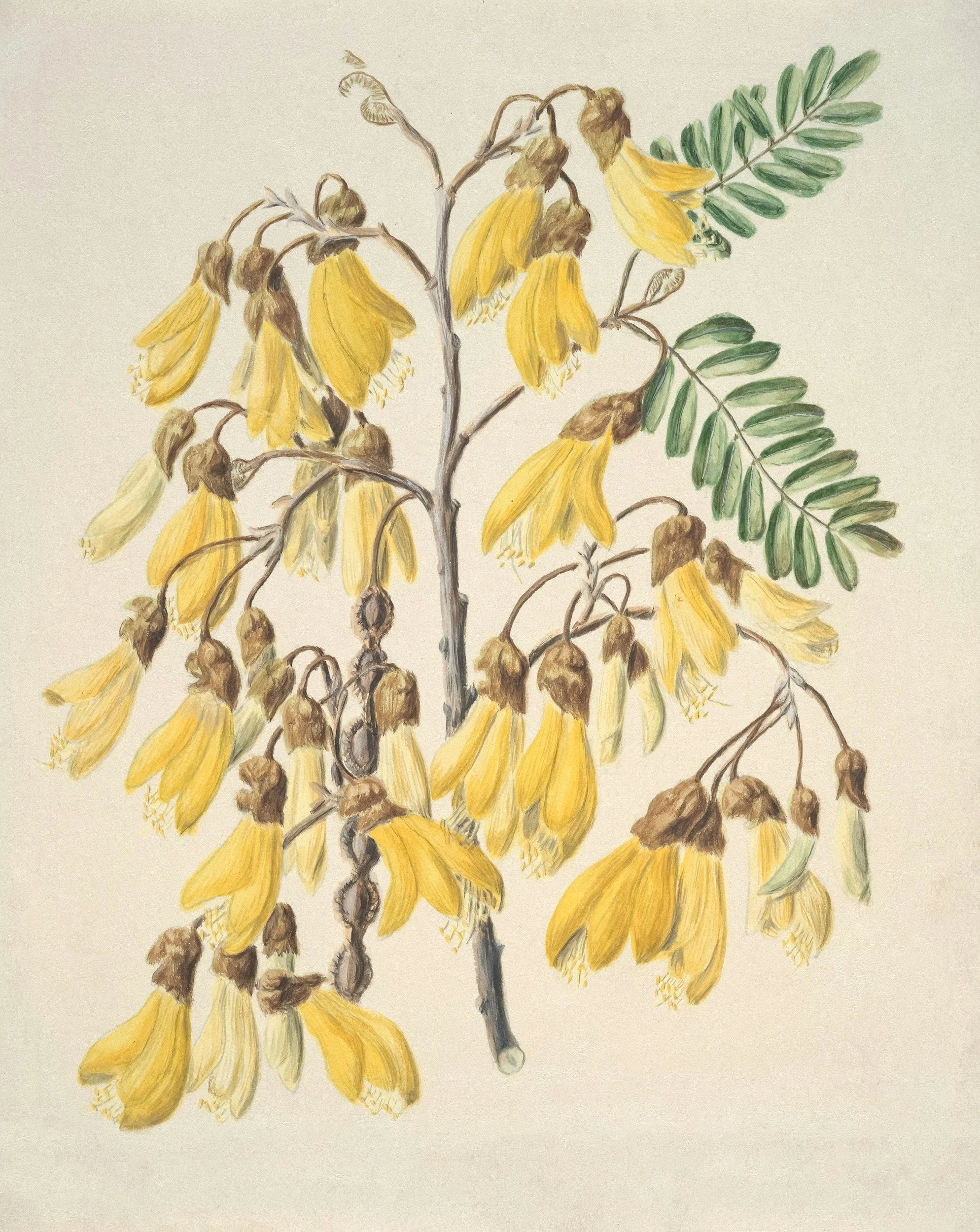
While many people think of kowhai as a spring bloomer, several varieties start flowering in late winter. Sophora microphylla cultivars like ‘Dragon’s Gold’ can be covered in golden flowers by late July in warmer areas, giving you a full month of colour before spring properly arrives.
The slightly weeping growth habit is attractive even without flowers, and the fine foliage creates interesting texture year-round. Younger plants flower more reliably in winter than older specimens, so consider planting a few different ages for extended blooming.
Pittosporum ‘Garnettii’
Technically an evergreen foliage plant, but Pittosporum ‘Garnettii’ produces small, honeyscented dark purple flowers throughout winter. The fragrance is subtle during the day but becomes intense in evening, making it perfect near pathways or outdoor living areas you use on milder winter days.
The variegated grey-green and white foliage with pink edges is attractive all year, but really comes into its own in winter when there’s less competition from other plants. It handles frost well and grows into a neat, compact shrub that needs minimal maintenance.
Structural Plants for Winter Interest
Cordyline Australis (Cabbage Tree)
The architectural form of cabbage trees makes them outstanding for winter structure. Their palm-like silhouettes stand out brilliantly against grey winter skies, and they maintain perfect form regardless of weather. They’re especially effective planted in groups of mixed heights.
Newer cultivars like ‘Red Fountain’ and ‘Southern Splendour’ add bronze and burgundy tones to the structural interest. These colours intensify in cold weather, giving you both form and colour through winter. They’re tough as nails and handle everything New Zealand winter throws at them.
Arthropodium Cirratum (Rengarenga)
The strappy foliage of rengarenga creates excellent structure in shaded winter gardens. The dark green leaves remain fresh and upright through frost and rain, providing reliable form when many other plants look beaten down. In late winter to early spring, tall spikes of white flowers add vertical interest.
This is an excellent plant for difficult dry shade under trees, where little else will grow. It spreads slowly to form dense clumps that suppress weeds and look intentional rather than messy. The evergreen foliage ensures year-round presence.
Berries and Seed Heads for Winter Drama
Coprosma Robusta (Karamū)
Female plants of this species produce spectacular orange berries in autumn that persist well into winter. The berries are incredibly vibrant - almost luminous - and attract native birds, adding movement and life to the winter garden. The glossy green foliage provides excellent contrast.
You’ll need both male and female plants for berry production, so buy plants when berries are visible to ensure you get females. Plant them in groups with one male to every 4-5 females for reliable fruiting. The berries are at their peak from May through July.
Gahnia Xanthocarpa (Cutty Grass)
This native sedge produces distinctive dark brown to black seed heads that persist through winter, creating interesting textural elements. The seed heads catch morning frost beautifully and look particularly striking when backlit. The arching foliage maintains good form even in wet weather.
While it’s called cutty grass (the leaves have sharp edges), it’s an excellent structural plant for winter interest. The seed heads appear from late summer and last through winter, giving months of interest. It grows well in damp sites and tolerates moderate shade.
Libertia Varieties
Several Libertia species produce attractive seed heads that turn from green to goldenbrown through winter. The fine, iris-like foliage remains upright and tidy, while the seed heads add vertical interest. Libertia peregrinans also offers bronze foliage colour that intensifies in cold weather.
These are excellent plants for the edge of paths or mixed into perennial borders. They’re compact, well-behaved, and provide multiple seasons of interest. The white spring flowers are a bonus on top of the winter seed heads and coloured foliage.
Creating Winter Combinations
The key to great winter interest is layering different types of plants for varied effects. Start with structural evergreens as your backbone, then add coloured foliage for warmth, and finish with a few winter bloomers or berry-producing plants for excitement.
A winning combination might include Cordyline for structure, Carex testacea for bronze warmth, Coprosma ‘Tequila Sunrise’ for bright colour, and Clematis paniculata for dramatic winter flowers. This gives you multiple layers of interest that work together through the coldest months.
Think about views from inside your house too. Position the brightest colours and most interesting structures where you’ll see them most often. There’s no point having your best winter performers hidden away in a corner you never look at.
Planting for Winter Success
Most natives are best planted in spring or autumn, but if you’re planning specifically for winter interest, get plants in the ground by early autumn at the latest. This gives them time to establish before winter arrives and ensures they look their best in their first winter season.
Pay attention to aspect when positioning winter interest plants. Those with coloured foliage often need good light to develop their best tones, but too much harsh afternoon sun can fade colours. Morning sun with afternoon shade or filtered light all day often works best.
Don’t forget about backlit effects. Plants with translucent foliage or seed heads - like Libertia and Gahnia - look spectacular when positioned where low winter sun can shine through them. This is especially effective in the morning and late afternoon when sun angles are low.
Maintenance for Winter Beauty
One of the best things about these natives is how little maintenance they need. Most require no winter care beyond removing any damaged growth after particularly harsh frosts. In fact, over-maintenance is more common than under-maintenance with winter interest plants.
Resist the urge to tidy up seed heads and dried foliage too early. What might look “messy” to you is actually structural interest that lasts through winter. Wait until late winter or early spring before cutting back deciduous plants, and let evergreens do their thing with minimal interference.
For plants with coloured foliage, avoid feeding in late summer or autumn. Soft, lush growth doesn’t develop the intense colours you want and is more vulnerable to frost damage. Let plants naturally harden off as temperatures drop.
Making Winter Count
A garden filled with winter interest doesn’t happen by accident. It requires planning and a willingness to see beauty in forms that aren’t traditional flowers. But the payoff is enormous - instead of waiting impatiently for spring, you’ll find yourself genuinely enjoying the winter months.
Start by adding just a few winter performers to your existing garden. A drift of bronze Carex here, a Clematis paniculata there, perhaps a Coprosma for berries. You don’t need to redesign everything at once. But as you see how much life these plants bring to dark days, you’ll find yourself seeking out more.
The wonderful thing about New Zealand native plants is that they’ve evolved to look good year-round. They don’t have an “off season” where they retreat underground or look bedraggled. Choose the right varieties, position them thoughtfully, and your winter garden will become the envy of neighbours who think gardening stops in autumn.
